In the fast-paced world of youth sports, the difference between a mid-game slump and a peak performance often comes down to what happens inside the kitchen rather than on the field. Between school, grueling practices, weekend tournaments, and the daily demands of growing bodies, young athletes require more than just quick energy; they need a strategic approach to nutrition.
While the market is saturated with expensive, pre-packaged sports bars, shakes, and synthetic supplements, the most effective fuel for a developing athlete is often found in the produce aisle and the pantry. By focusing on whole-food, high-protein snacks, parents can provide the essential building blocks for muscle recovery, sustained energy, and long-term health.
The Science of Sports Nutrition: What Young Athletes Really Need
For a young athlete, a snack is far more than a "tide-me-over" until dinner. It is a critical component of their physiological development. Growing bodies have unique metabolic demands; they require a precise balance of macronutrients—carbohydrates, proteins, and healthy fats—alongside a spectrum of vitamins and minerals.
The Role of Macronutrients
- Protein: Essential for the repair and growth of muscle tissue damaged during physical activity. Sources like Greek yogurt, eggs, legumes, and lean meats provide the amino acids necessary for recovery.
- Carbohydrates: The primary fuel source for high-intensity movement. Fruits, oats, and whole grains replenish glycogen stores that are depleted during running, swimming, or contact sports.
- Healthy Fats: Vital for sustained energy and cognitive function, healthy fats found in avocados, nuts, and seeds provide a "slow-burn" fuel source that keeps athletes feeling satiated.
- Hydration: Water remains the cornerstone of athletic performance. Even mild dehydration can lead to fatigue, reduced coordination, and heat-related illness.
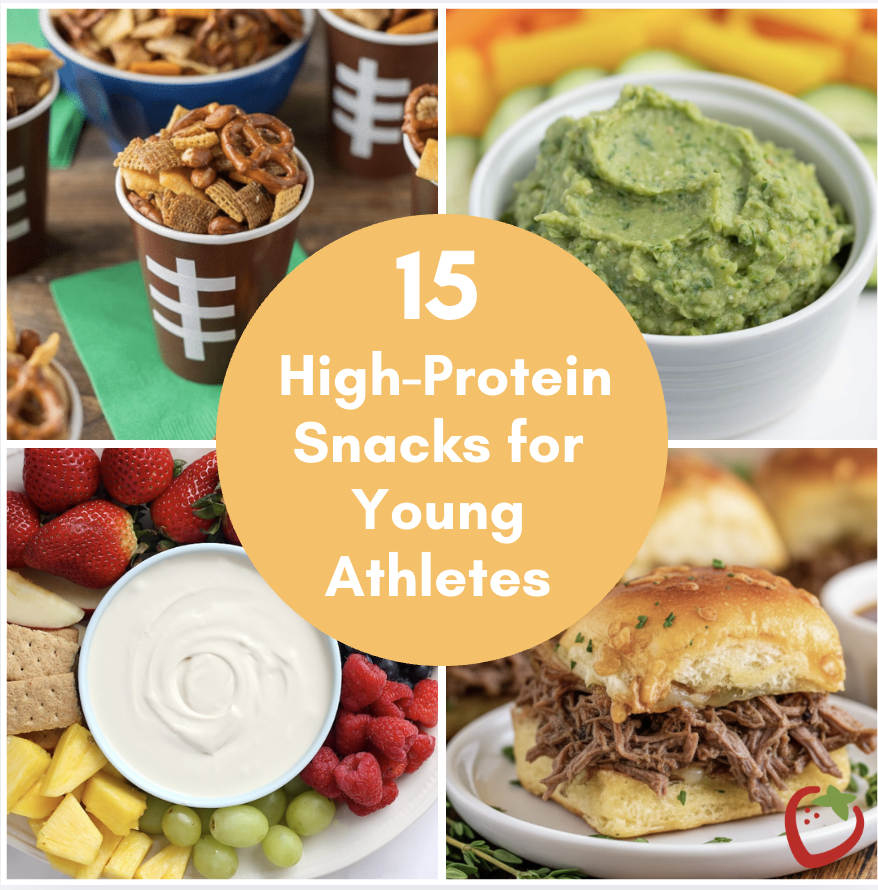
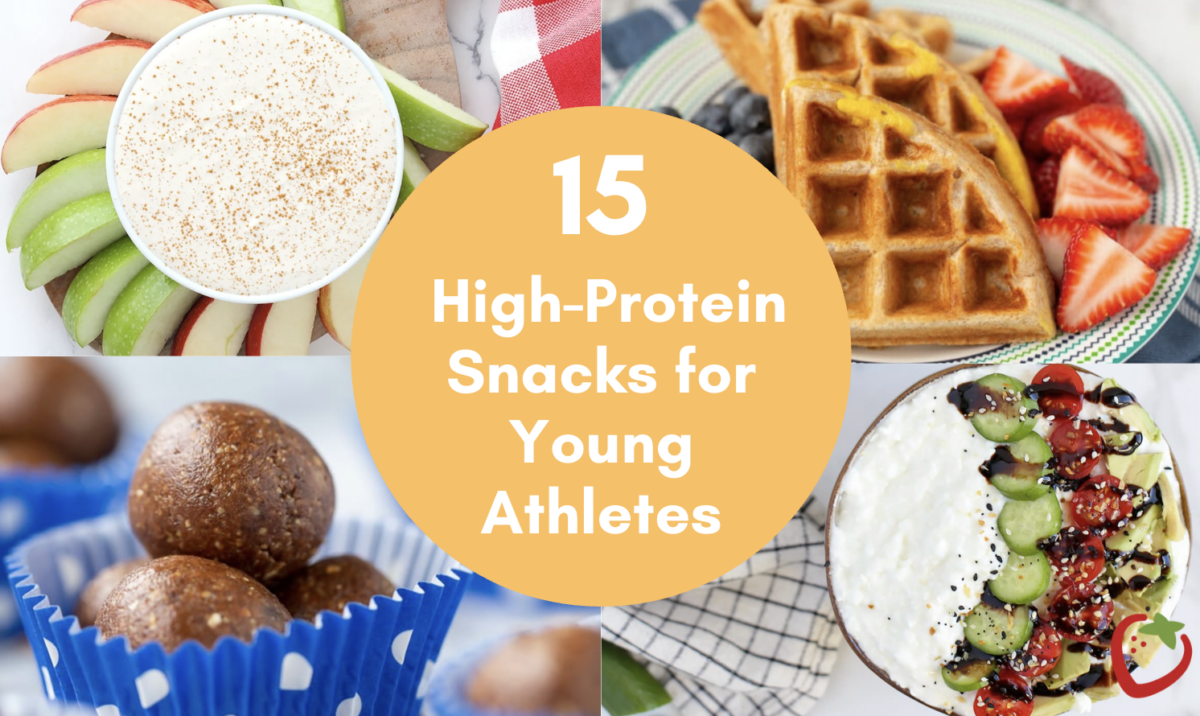
The 15 Best High-Protein Snacks: A Curated Selection
To simplify the lives of busy parents, we have compiled a list of nutrient-dense, kid-friendly snacks that go beyond the typical granola bar.
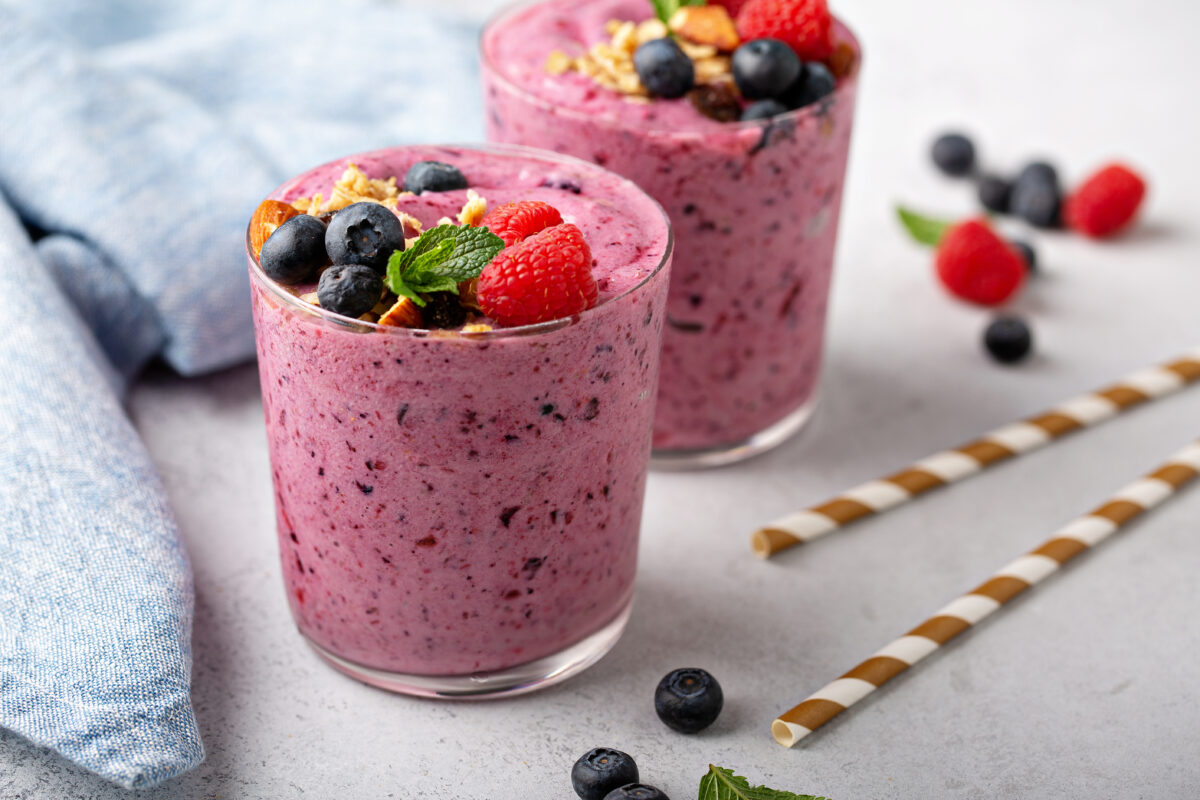
1. Mixed Berry Protein Smoothies
Smoothies are the ultimate "grab-and-go" solution. By blending frozen berries (antioxidants) with Greek yogurt (protein) and milk, you create a refreshing recovery drink. Adding chia seeds or hemp hearts introduces omega-3 fatty acids, crucial for brain health and inflammation reduction.
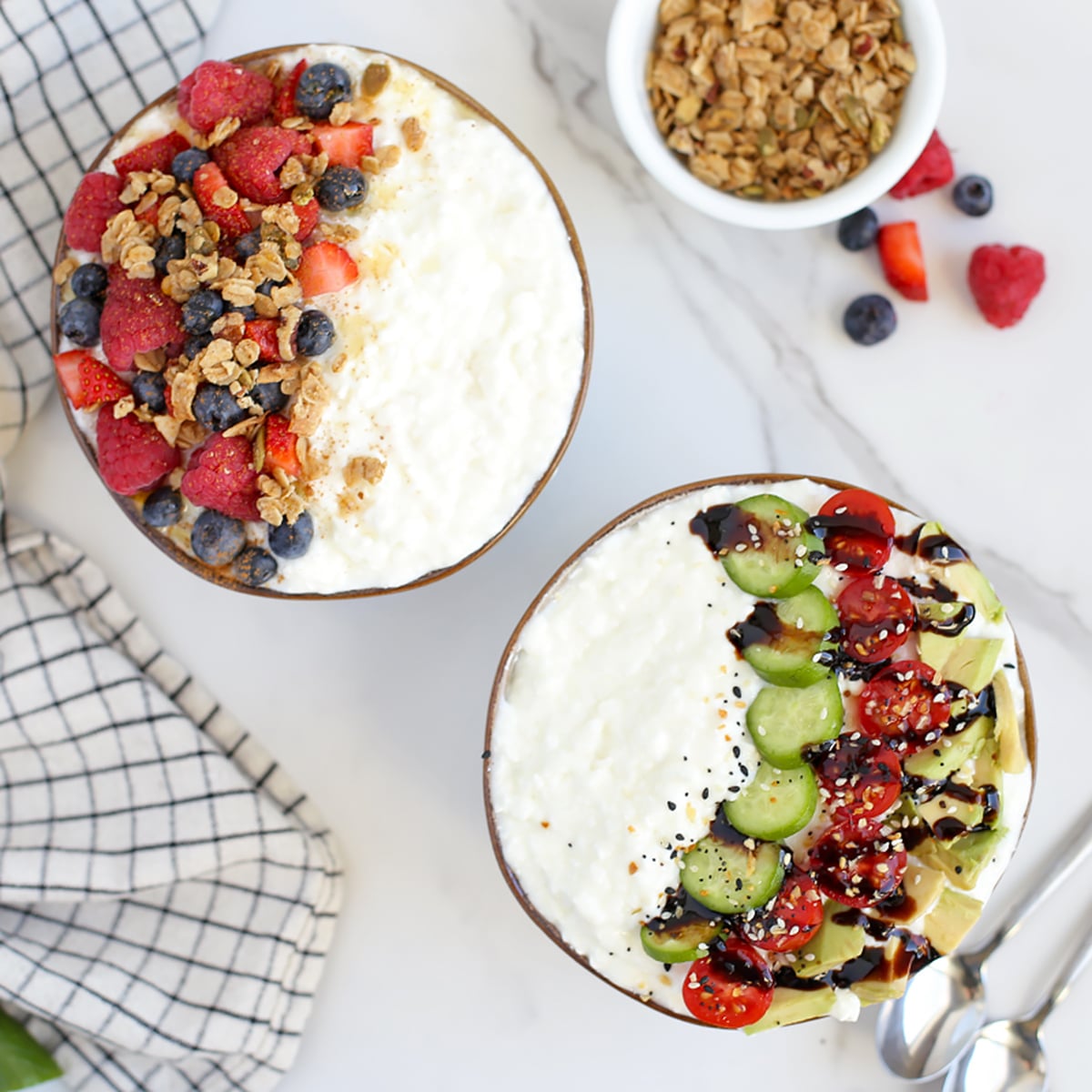
2. High-Protein Cottage Cheese Bowls
Often overlooked, cottage cheese is a powerhouse of casein protein, which digests slowly and provides a sustained release of amino acids. Whether topped with fresh peaches and cinnamon for a sweet treat, or cucumbers and sea salt for a savory snack, it packs a substantial 17 grams of protein per serving.
3. Blueberry Protein Popsicles
During the heat of summer training, standard snacks may feel heavy. Frozen yogurt popsicles, made with Greek yogurt, blueberries, and a touch of honey, offer a cooling, muscle-recovery-friendly alternative that children actually enjoy.
4. Peanut Butter Fudge Protein Energy Balls
These no-bake bites satisfy the craving for sweets while providing plant-based fuel. Using dates for natural sweetness and peanut butter for protein and healthy fats, these are ideal for the transition from the classroom to the soccer field.
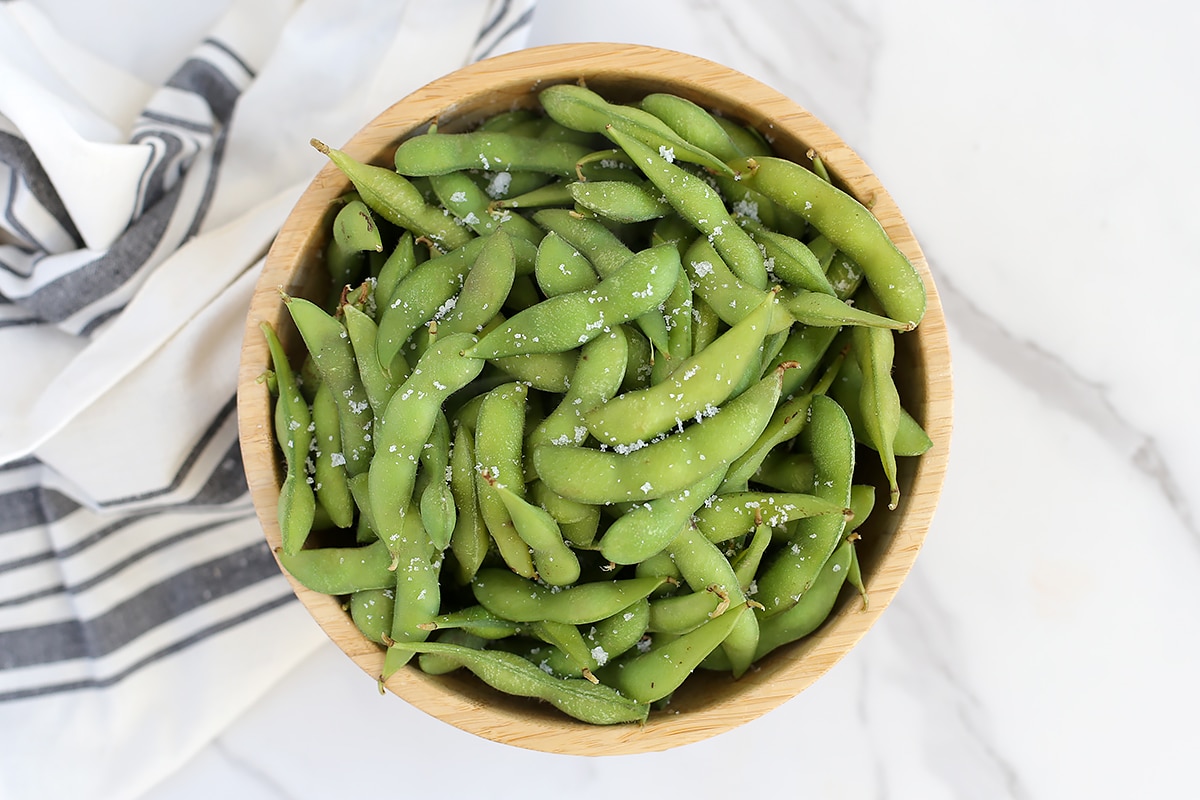
5. Easy High-Protein Edamame
Simple, portable, and fun to eat, steamed edamame is a complete plant-based protein. It is an excellent choice for parents looking for a low-prep, high-fiber snack that provides immediate satiety.
6. Homemade Chocolate "RX-Style" Bars
For older athletes who enjoy the convenience of store-bought protein bars, homemade versions are superior. By blending dates, nuts, and egg-white powder, you can create a chewy, high-protein bar free from the artificial preservatives and added sugars found in commercial alternatives.
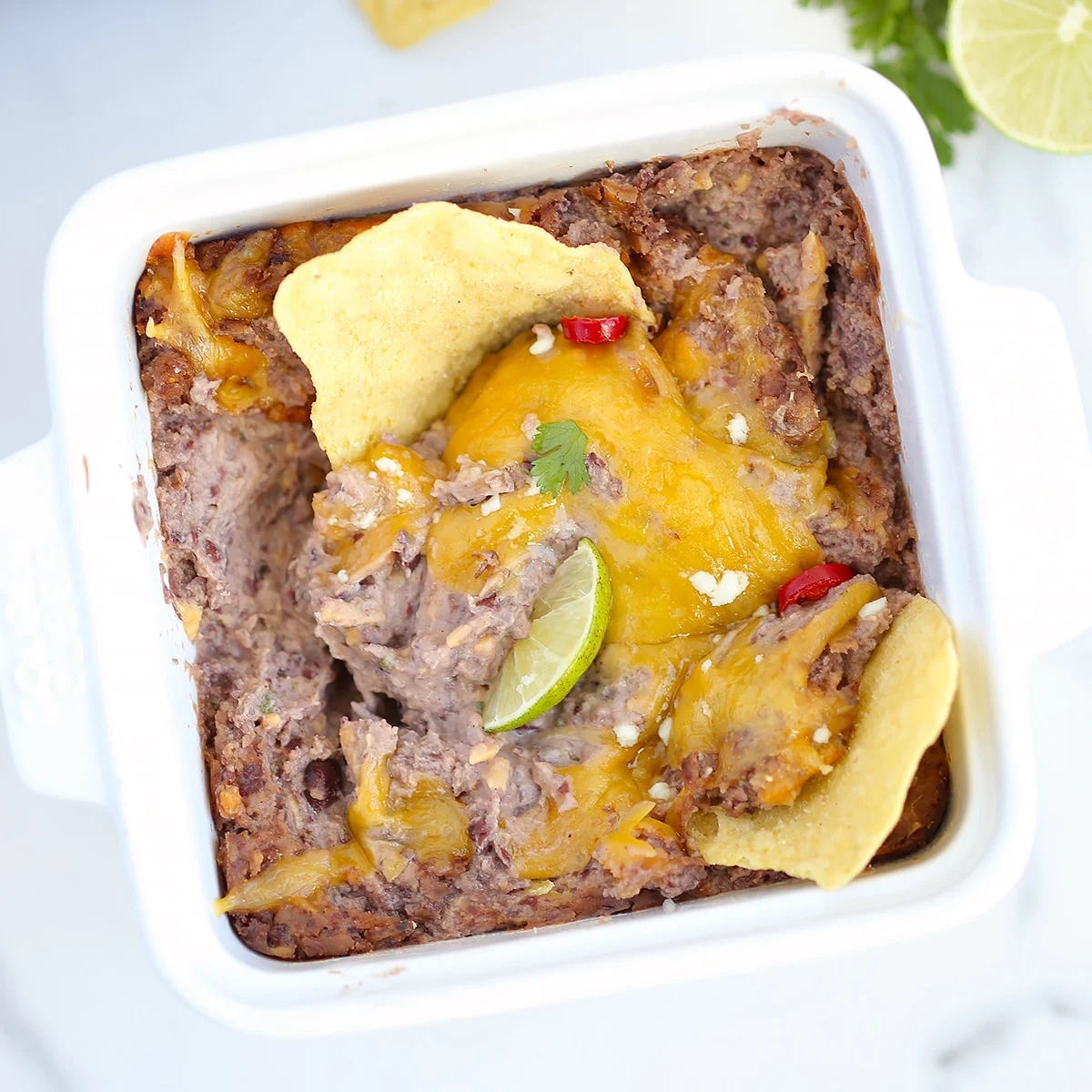
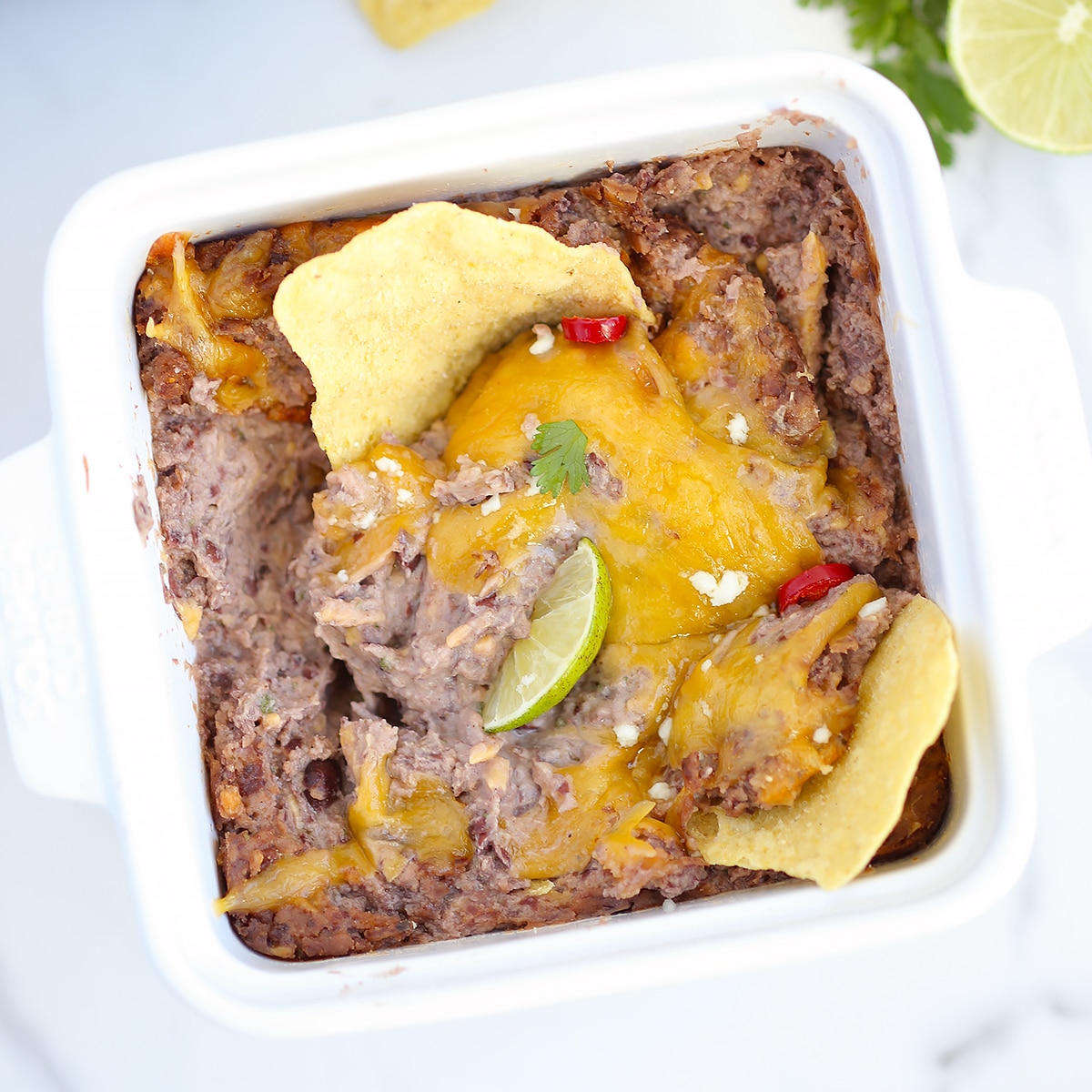
7. High-Protein Black Bean Dip
Beans are a nutritional goldmine. Blending black beans with Greek yogurt and a hint of cheddar cheese creates a creamy dip that works perfectly with vegetable sticks or whole-grain crackers.
8. Kid-Friendly Protein Waffles
By incorporating Greek yogurt and eggs into a whole-wheat waffle batter, you can turn a breakfast staple into an effective post-practice recovery meal. They freeze well and can be toasted in minutes.
9. Roasted Chickpeas
When the craving for something crunchy strikes, skip the potato chips. Roasted chickpeas, seasoned with barbecue or cinnamon sugar, provide 9 grams of protein per serving and are far more shelf-stable than refrigerated options.
10. Healthy Yogurt Fruit Dip
Greek yogurt blended with vanilla and maple syrup turns a simple fruit plate into a protein-rich snack that encourages children to eat more produce.
11. Crunchy Roasted Peas
A nutrient-dense alternative to traditional croutons or snacks, roasted peas offer a satisfying crunch along with 5 grams of plant-based protein.

12. Greek Yogurt Dip with Veggies
A savory dip made with fresh herbs and Greek yogurt is a sophisticated yet simple way to increase vegetable intake while ensuring the athlete receives a hit of protein.
13. "Kids Can Make ‘Em" Energy Bites
Empowering children to prepare their own snacks increases the likelihood they will eat them. These no-bake bites are a collaborative project that teaches nutrition while fueling activity.
14. Chia Seed Energy Bites
Chia seeds are packed with fiber and protein. These bites are an excellent way to maintain blood sugar levels during long afternoons of play.
15. Raspberry Quinoa Smoothie
Quinoa is a rare plant source of all nine essential amino acids. When blended into a smoothie, it creates a thick, hearty, 22-gram protein powerhouse perfect for a growing teen’s post-game appetite.
Chronology of Consumption: Timing is Everything
Nutrition strategy is dictated by the clock. The timing of a snack is just as important as the content.
- Pre-Activity (1–2 hours before): Focus on easily digestible carbohydrates with a moderate amount of protein. The goal is to top off energy stores without causing stomach distress.
- During Activity: For events lasting longer than 60 minutes, simple carbohydrates (like fruit slices or small sips of diluted juice) can help maintain blood glucose levels.
- Post-Activity (Within 30–60 minutes): This is the "golden window." The muscles are primed to absorb nutrients. A combination of carbohydrates and protein is mandatory here to halt muscle breakdown and initiate the repair process.
Expert Perspectives: The Truth About Supplements
A common question among parents is whether young athletes require protein powders or specialized performance supplements. The overwhelming consensus from pediatricians and sports dietitians is no.
"Most children can meet their protein requirements through a balanced diet," says one leading sports nutritionist. "When we rely on powders, we miss out on the synergistic vitamins and minerals found in whole foods like milk, eggs, beans, and lean meats."
While protein supplements might seem like a shortcut to muscle gain, they are often unnecessary and potentially risky if they contain proprietary blends or heavy metals. If a child is consistently struggling to meet their nutritional needs, a consultation with a registered dietitian—not a supplement aisle—is the professional recommendation.
Implications for Long-Term Health
The habits formed during youth sports stay with an individual for a lifetime. Teaching a child to view food as "fuel" rather than just "sustenance" cultivates a healthy relationship with nutrition that persists into adulthood.

When a young athlete learns that a bowl of cottage cheese or a handful of roasted chickpeas helps them run faster, jump higher, or recover quicker, they become invested in their own well-being. This shift in perspective transforms the chore of "eating healthy" into a competitive advantage.
Conclusion: Fueling for Success
The modern youth athlete faces immense physical pressure. By moving away from the convenience of processed, supplement-heavy diets and returning to the foundation of whole-food nutrition, parents can provide the ultimate support system. Whether it is a frozen protein pop after a hot soccer practice or a batch of energy bites for a long tournament weekend, these strategies ensure that your child is not just playing the game—they are fueling their body to thrive within it.
With a little bit of meal prep and a focus on simple, protein-rich combinations, you can ensure your young athlete is always ready for the next challenge. Remember: consistency in nutrition leads to consistency in performance. Start small, experiment with these recipes, and watch as your athlete finds the energy to excel.