In the modern landscape of youth athletics, the schedule for a child can be grueling. Between the demands of the classroom, after-school practices, weekend tournaments, and the constant physical toll of training, young athletes are essentially "working" from sunrise to sunset. For parents, the challenge is not just managing the logistics of carpools and gear, but ensuring that their children have the nutritional foundation necessary to sustain such high levels of exertion.
Proper sports nutrition is not merely about satiety; it is about performance, recovery, and long-term development. When kids are constantly in motion, their bodies undergo significant physiological stress. Providing the right fuel—a strategic blend of carbohydrates, protein, healthy fats, fluids, vitamins, and minerals—can be the difference between a child who finishes a game strong and one who hits an early "wall."
The Science of the Youth Performance Diet
For a developing athlete, the "snack" is a critical component of the daily intake cycle. It is not just a filler; it is an opportunity to replenish glycogen stores and provide the amino acids essential for muscle repair.
The Role of Macro-Nutrients
- Protein: Essential for muscle growth and repair. Sources like Greek yogurt, eggs, legumes, and lean meats provide the building blocks necessary for structural recovery after high-intensity training.
- Carbohydrates: The primary fuel for active muscles. Whether it is glucose for quick energy or complex carbohydrates for sustained output, these are vital for preventing fatigue.
- Healthy Fats: Crucial for hormone production and long-term satiety. Nuts, seeds, and avocados provide energy density that helps keep young athletes full during long tournament days.
- Hydration: The silent factor. Fluids are required to regulate body temperature and transport nutrients to active cells. Performance begins to dip even with mild dehydration.
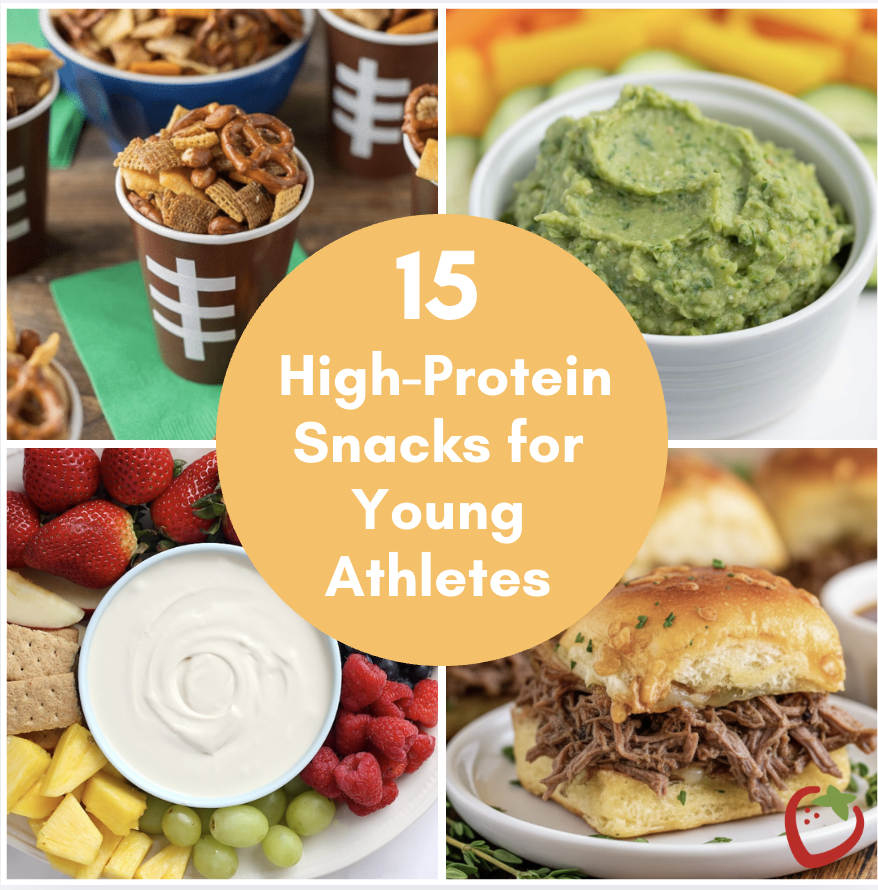
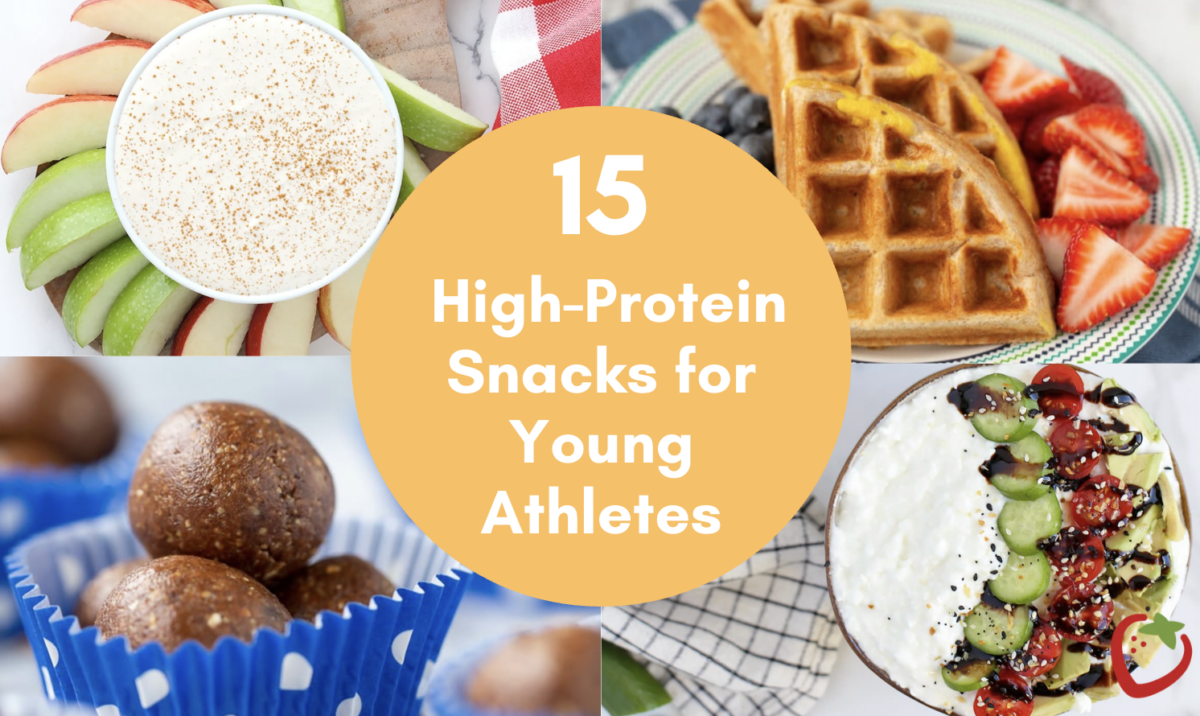
15 High-Protein Snack Solutions for Busy Families
The good news for parents is that you do not need a shelf full of expensive, processed sports supplements to keep your child performing at their peak. Whole foods provide a superior, nutrient-dense alternative that is often more cost-effective and palatable.
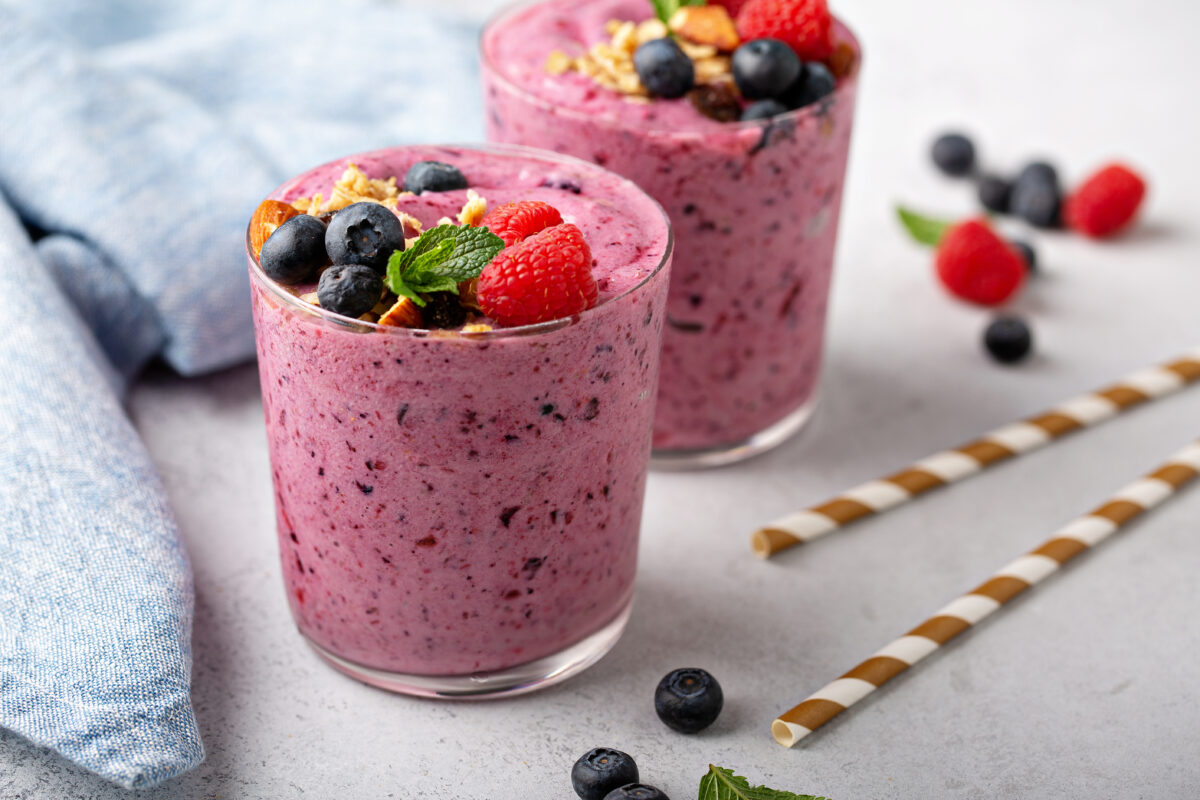
1. Mixed Berry Protein Smoothies
This is the ultimate "utility" snack. By blending frozen berries (antioxidants), a banana (quick carbohydrates), Greek yogurt (protein), and a splash of milk, you create a refreshing recovery drink.
- Pro-Tip: Add chia or flax seeds to boost the omega-3 fatty acid profile, which can aid in reducing exercise-induced inflammation.
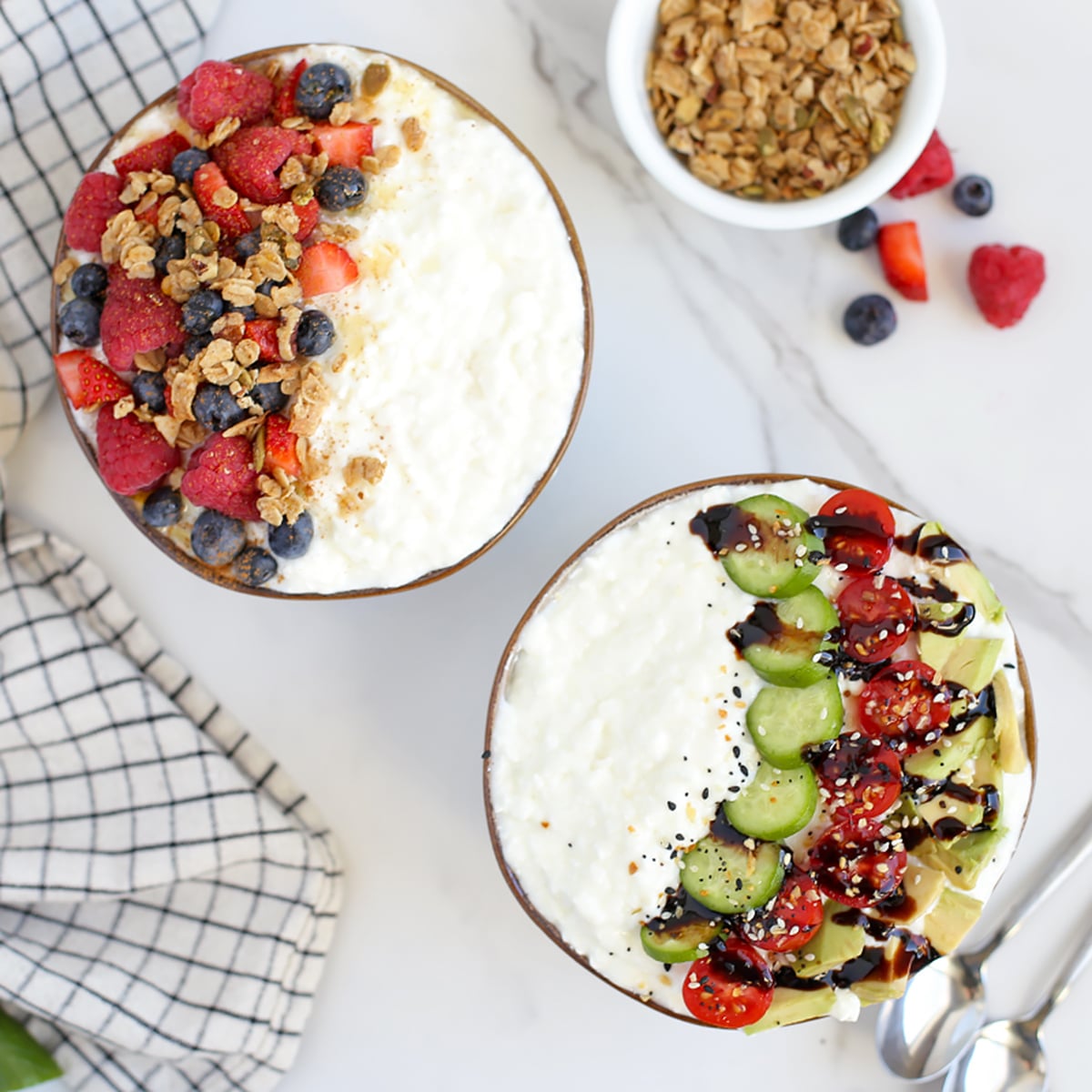
2. High-Protein Cottage Cheese Bowls
Cottage cheese is a protein powerhouse, offering approximately 17 grams per serving. It is highly versatile: serve it with berries and honey for a sweet treat, or swap to cucumber, tomatoes, and balsamic glaze for a savory, refreshing option after a hot outdoor practice.
3. Blueberry Protein Popsicles
When temperatures soar, a frozen treat is often more appealing than a meal. These popsicles, made with Greek yogurt and fresh blueberries, offer a high-protein, hydrating reward that helps lower core body temperature post-exercise.
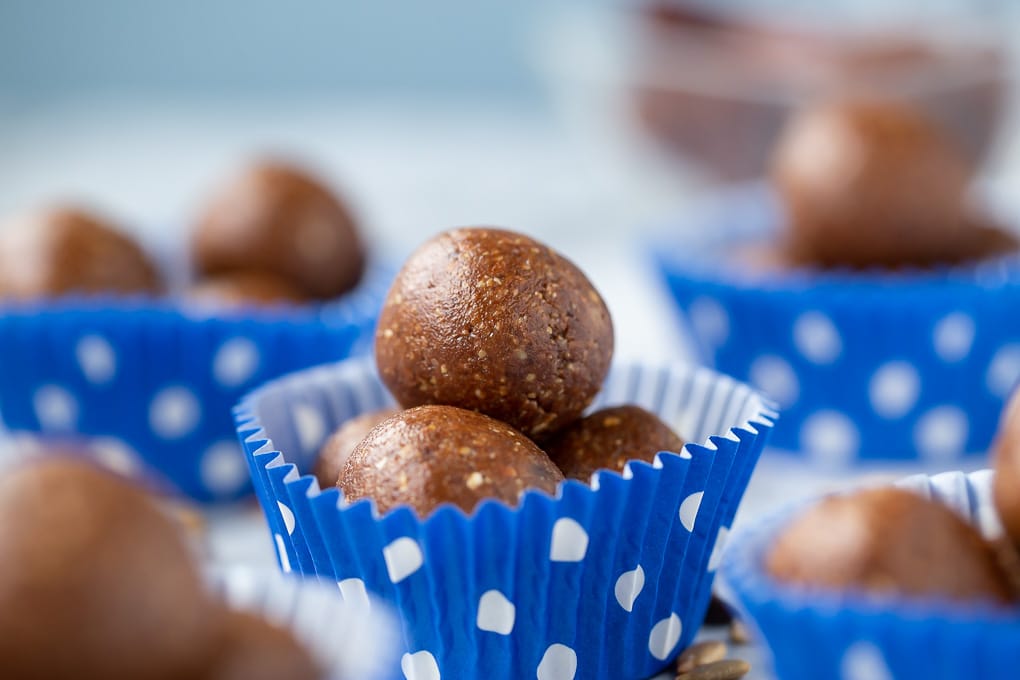
4. Peanut Butter Fudge Protein Energy Balls
These are the perfect "grab-and-go" solution. By mixing peanut butter, oats, dates, and cocoa, you create a portable fuel source. They contain roughly 8 grams of plant-based protein per two-ball serving and provide an immediate energy boost before a transition from school to the field.
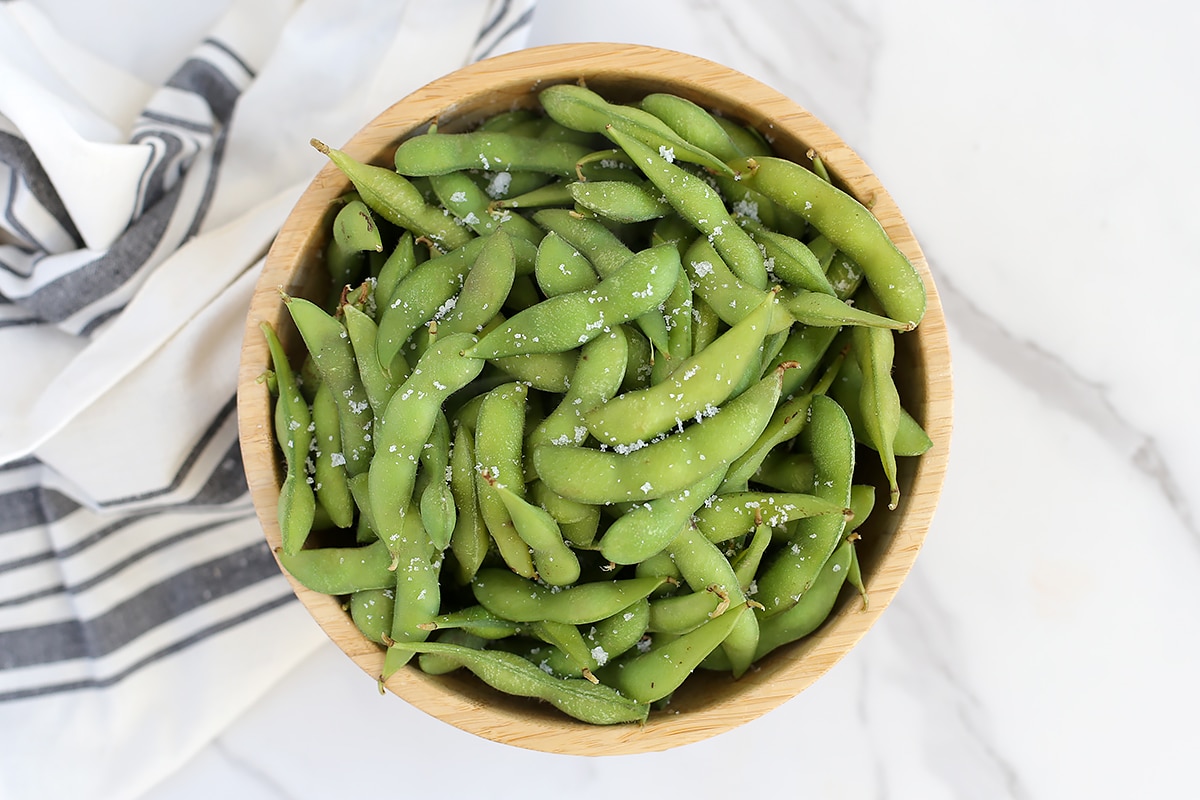
5. Easy High-Protein Edamame
Simplicity is key. Steamed edamame, lightly salted, provides a substantial dose of plant-based protein and fiber. It’s a finger-food that kids find fun to eat and requires almost zero prep time.
6. Homemade Chocolate RX-Style Bars
For the athlete who enjoys the texture of a traditional protein bar, homemade versions are superior. Using dates, nuts, and egg-white powder, you can replicate the chewy, satisfying texture of commercial bars without the added preservatives and sugar alcohols.
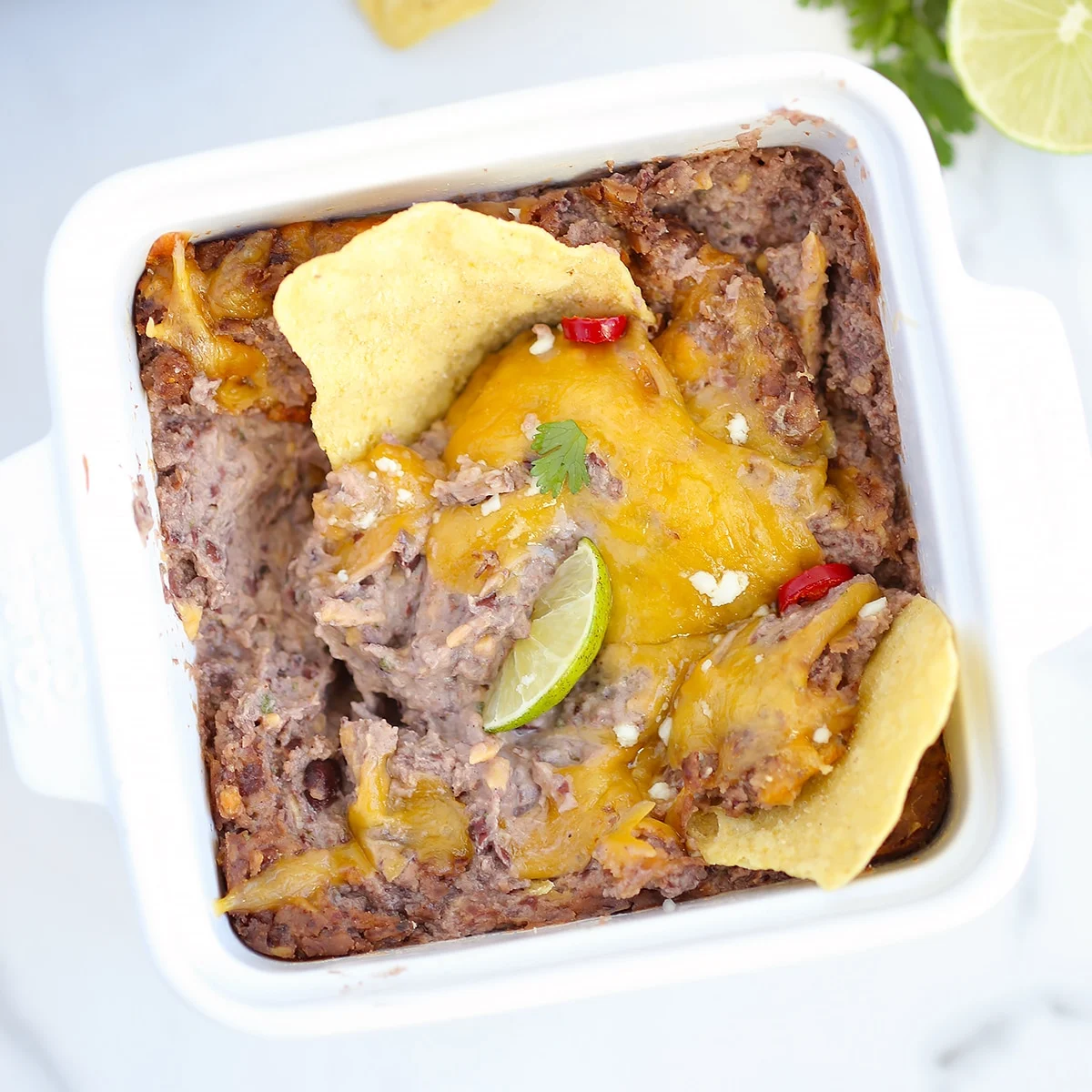
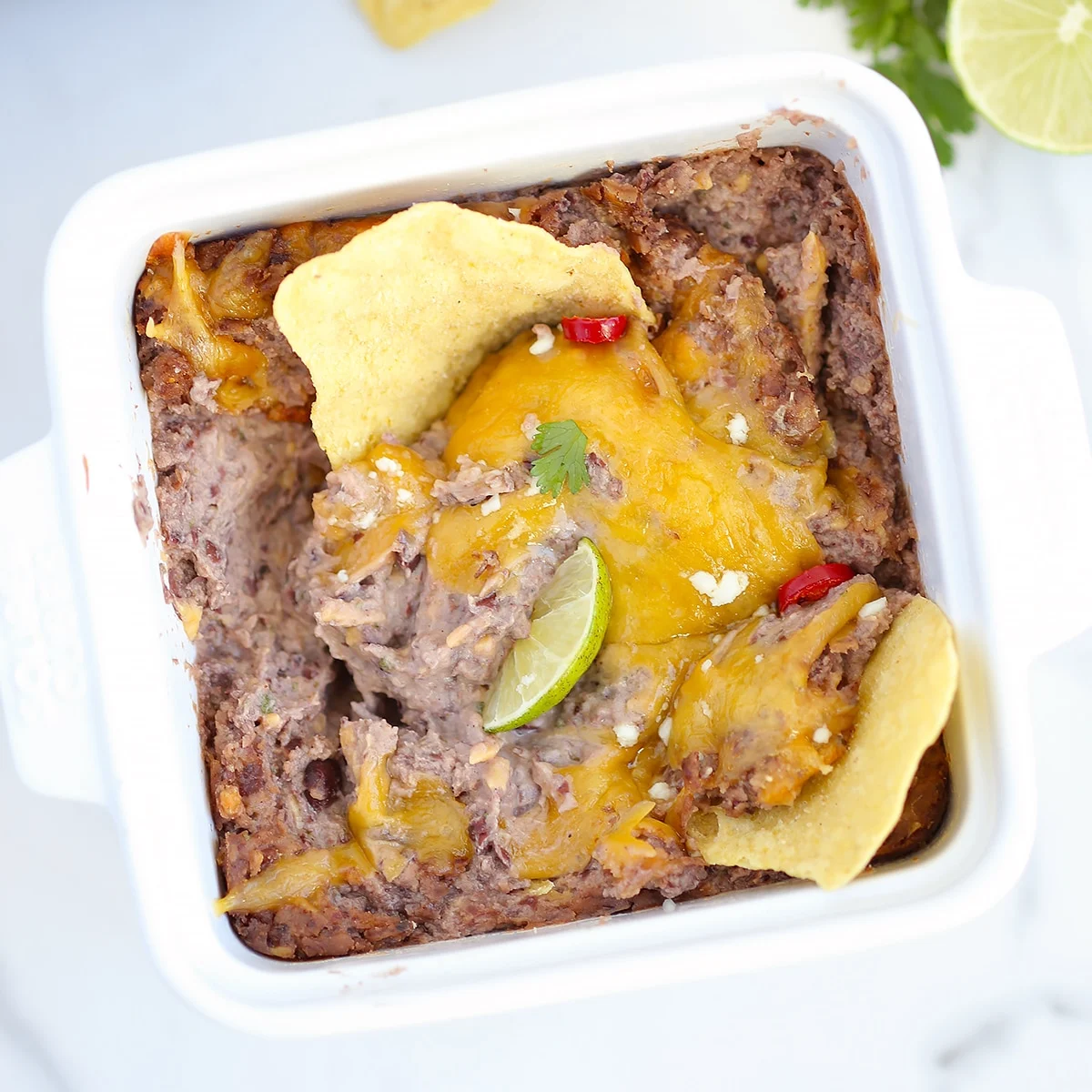
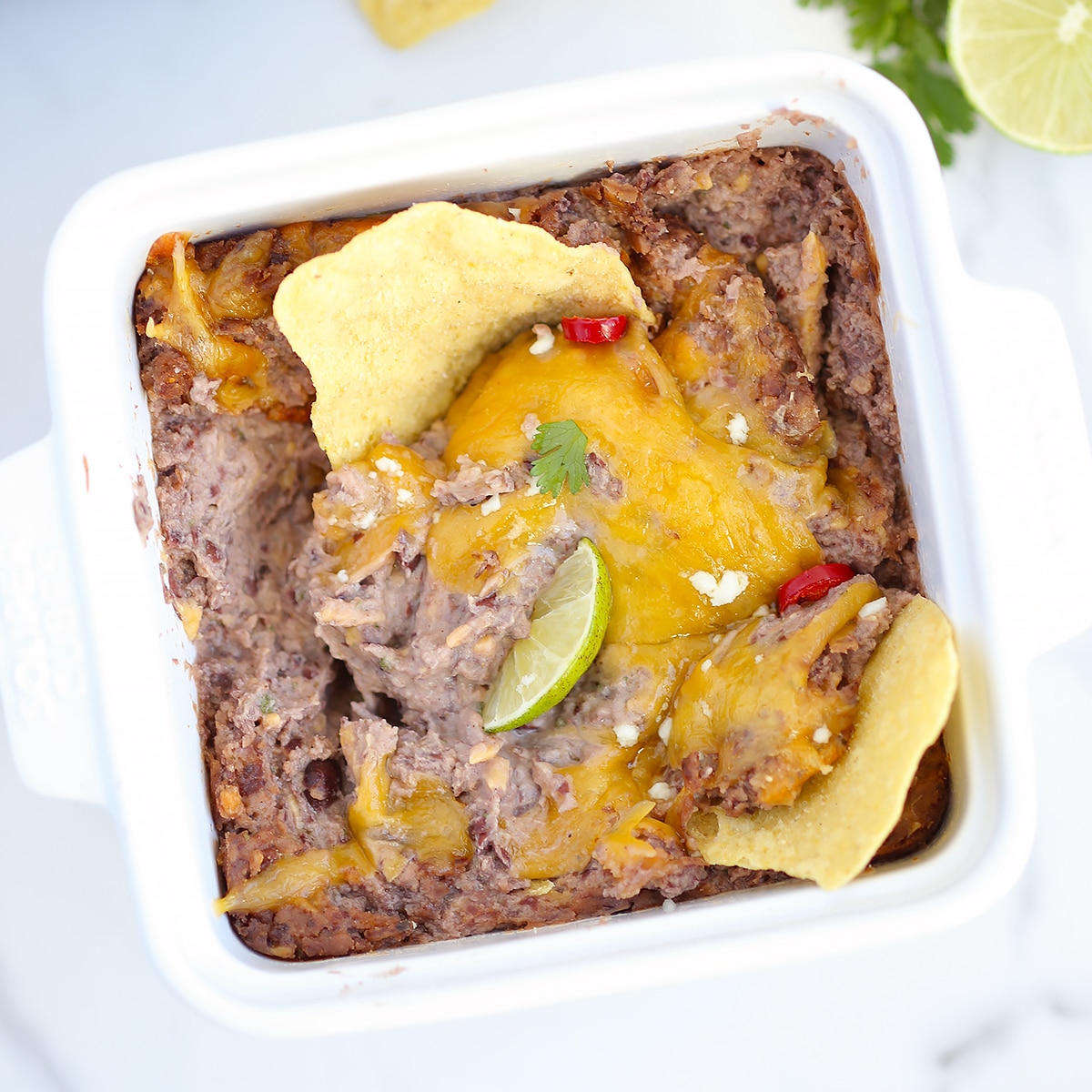
7. High-Protein Black Bean Dip
Beans are an underutilized asset in the youth diet. When blended with Greek yogurt and mild cheddar, this dip becomes a high-protein vehicle for carrot sticks or whole-grain crackers, providing both protein and complex carbohydrates.
8. Kid-Friendly Protein Waffles
Waffles shouldn’t be relegated to Sunday mornings. By incorporating Greek yogurt and eggs into the batter, you create a "portable pancake." They freeze perfectly and can be toasted in minutes for a pre-practice snack.
9. Roasted Chickpeas
When the craving for something crunchy hits, move past potato chips. Roasted chickpeas—seasoned with cinnamon or barbecue spices—offer 9 grams of protein and plenty of fiber. They won’t leave the athlete feeling sluggish or bloated.
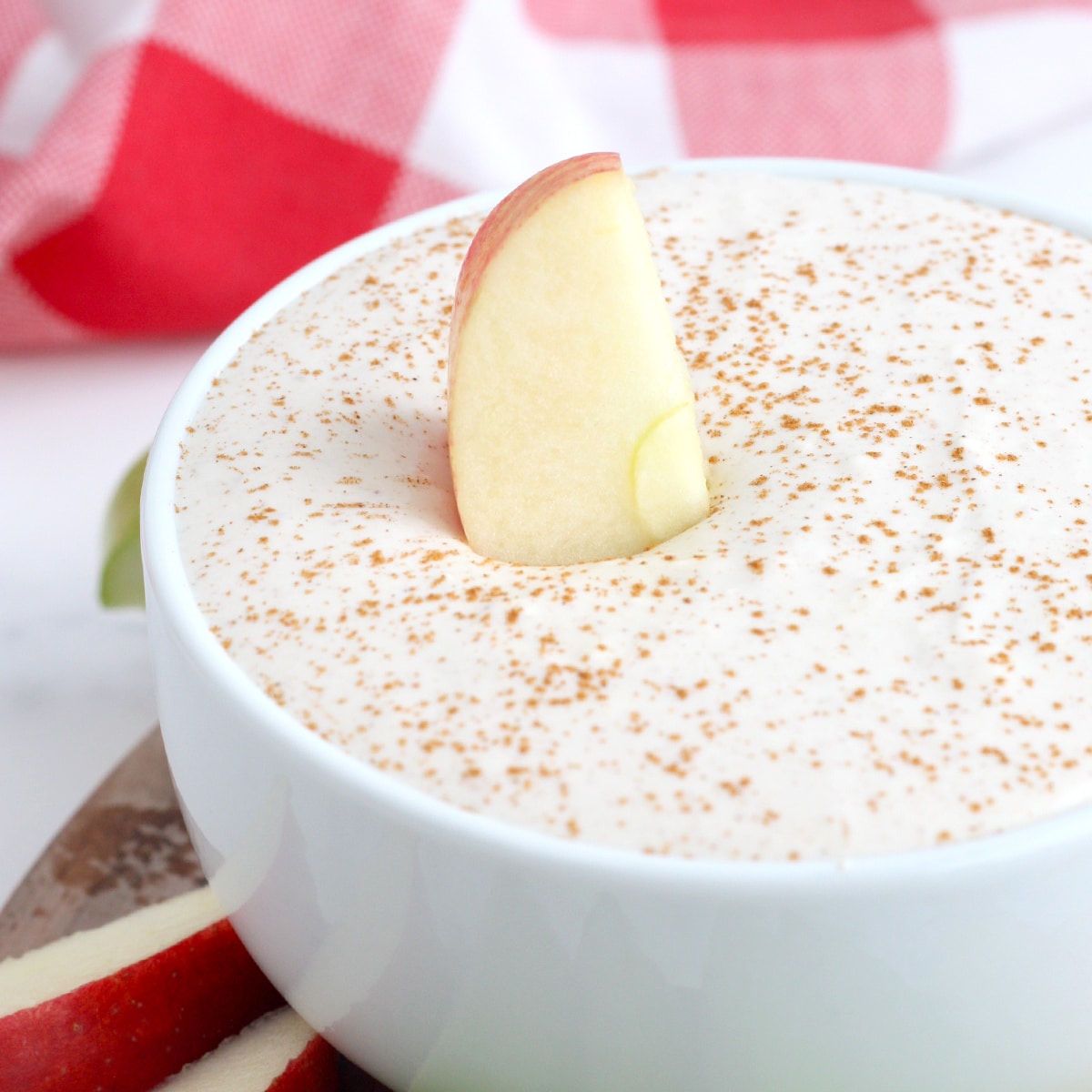
10. Healthy Yogurt Fruit Dip
Sometimes the barrier to eating fruit is the lack of "excitement." A simple dip made of Greek yogurt, maple syrup, and cinnamon encourages children to eat more produce while adding a necessary protein bump to their snack.
11. Crunchy Roasted Peas
Similar to chickpeas, roasted green peas offer a savory, crunchy alternative. They are inexpensive to make and easy to pack in a gym bag, offering a nutrient-rich crunch that satisfies the urge for salty snacks.
12. Greek Yogurt Dip with Veggies
For the savory-loving athlete, a dip made with fresh herbs, garlic, and Greek yogurt is a refreshing way to incorporate vegetables. It provides the necessary hydration and electrolytes while keeping protein intake steady.
13. "Kids-Can-Make-Em" Energy Bites
Empowering children to prepare their own snacks increases the likelihood they will eat them. These no-bake bites allow kids to experiment with ingredients like coconut, chia seeds, and dark chocolate chips.
14. Chia Seed Energy Bites
Chia seeds are a "superfood" that adds texture and nutritional value to any bite. These are perfect for refrigerator storage, ensuring that a quick, protein-rich snack is always waiting when your child walks through the door.
15. Raspberry Quinoa Smoothie
Quinoa is a complete protein, making it an excellent addition to a smoothie. This high-calorie, nutrient-dense drink is ideal for older teens who may have higher caloric needs after long, intense training sessions.
Strategic Timing: Before vs. After the Game
Nutritionists often emphasize that the timing of the snack is as critical as the content.
Pre-Activity Fueling
The goal before practice is to provide steady energy without causing stomach discomfort.
- The Strategy: Focus on easily digestible carbohydrates with a moderate amount of protein.
- Ideal choices: A banana with a smear of almond butter, or a slice of whole-wheat toast with a little turkey or cheese. Keep portions small if the practice starts within 60 minutes.
Post-Activity Recovery
After the final whistle, the focus shifts to recovery. The muscles are primed to absorb nutrients to repair tissue and replenish glycogen.
- The Strategy: A "Golden Ratio" of 3:1 (carbohydrates to protein) is often recommended.
- Ideal choices: A chocolate milk (the classic recovery drink), a Greek yogurt bowl, or a protein-rich smoothie.
Expert Perspectives: The Truth About Protein Powders
A common question among parents of young athletes is, "Should my child be taking protein supplements?"
The consensus among pediatricians and sports dietitians is a resounding "no." For the vast majority of young athletes, a well-balanced diet consisting of real, whole foods—eggs, dairy, lean meats, beans, and grains—is more than sufficient to meet their protein requirements.

Protein powders are often highly processed and may contain ingredients that are not regulated for purity or safety. Furthermore, children who rely on supplements may miss out on the vital micronutrients found in whole food sources. Before considering any supplementation, parents should consult with a professional to ensure the child is not simply lacking in overall caloric intake, which is more common than an actual protein deficiency.
Implications for Long-Term Health
The habits formed during these formative years set the stage for a lifetime of health. Teaching a child that their body is a machine that requires specific "fuel" is a lesson that extends far beyond the sports field. It encourages mindfulness about food, promotes culinary literacy, and reduces the reliance on ultra-processed, high-sugar snacks that often plague the modern youth diet.
By planning ahead, stocking the pantry with the right staples, and involving children in the preparation process, parents can simplify the demands of the sports season. Fueling an active lifestyle does not have to be a source of stress. It can be an opportunity to bond, learn, and ensure that our young athletes have the energy they need to play hard, grow strong, and stay healthy.
Summary of Best Practices
- Preparation: Always have a "snack kit" in the car or gym bag.
- Variety: Rotate snacks to ensure a broad spectrum of vitamins and minerals.
- Inclusion: Let the child choose the flavor profiles (e.g., savory vs. sweet) to increase engagement.
- Hydration: Never prioritize the snack over water; make sure hydration is constant throughout the day.
- Quality: Focus on whole ingredients over pre-packaged, shelf-stable bars.
As we continue to support our children in their athletic pursuits, let us remember that the most powerful performance enhancer is a well-fed, properly hydrated, and energized body. With these simple, nutrient-dense snacks, we can provide exactly that.