Introduction: The Quest for the Perfect Gluten-Free Pastry
For millions of individuals managing celiac disease, gluten sensitivities, or intentional dietary shifts, the bakery aisle has long been a place of disappointment. For years, commercial and home-baked gluten-free goods bore an unfortunate reputation: dry, crumbly, overly dense, or prone to collapsing under the weight of their own mix-ins. Nowhere was this more evident than in the beloved blueberry muffin—a breakfast staple traditionally defined by its soaring, craggy golden dome, moist crumb, and abundance of juicy fruit.
Enter a game-changing recipe from culinary innovator Nicole Hunn of Gluten Free on a Shoestring. This new approach to the classic gluten-free blueberry muffin eliminates the need for specialized pans, chilling the batter, or dragging out a heavy electric mixer. By combining clever adjustments in baking science, precise structural balancing, and smart temperature manipulation, this recipe achieves what many once thought impossible: a towering, bakery-style gluten-free muffin that rivals its traditional wheat-based counterparts in every metric.
Main Facts: The Anatomy of a High-Rising Muffin
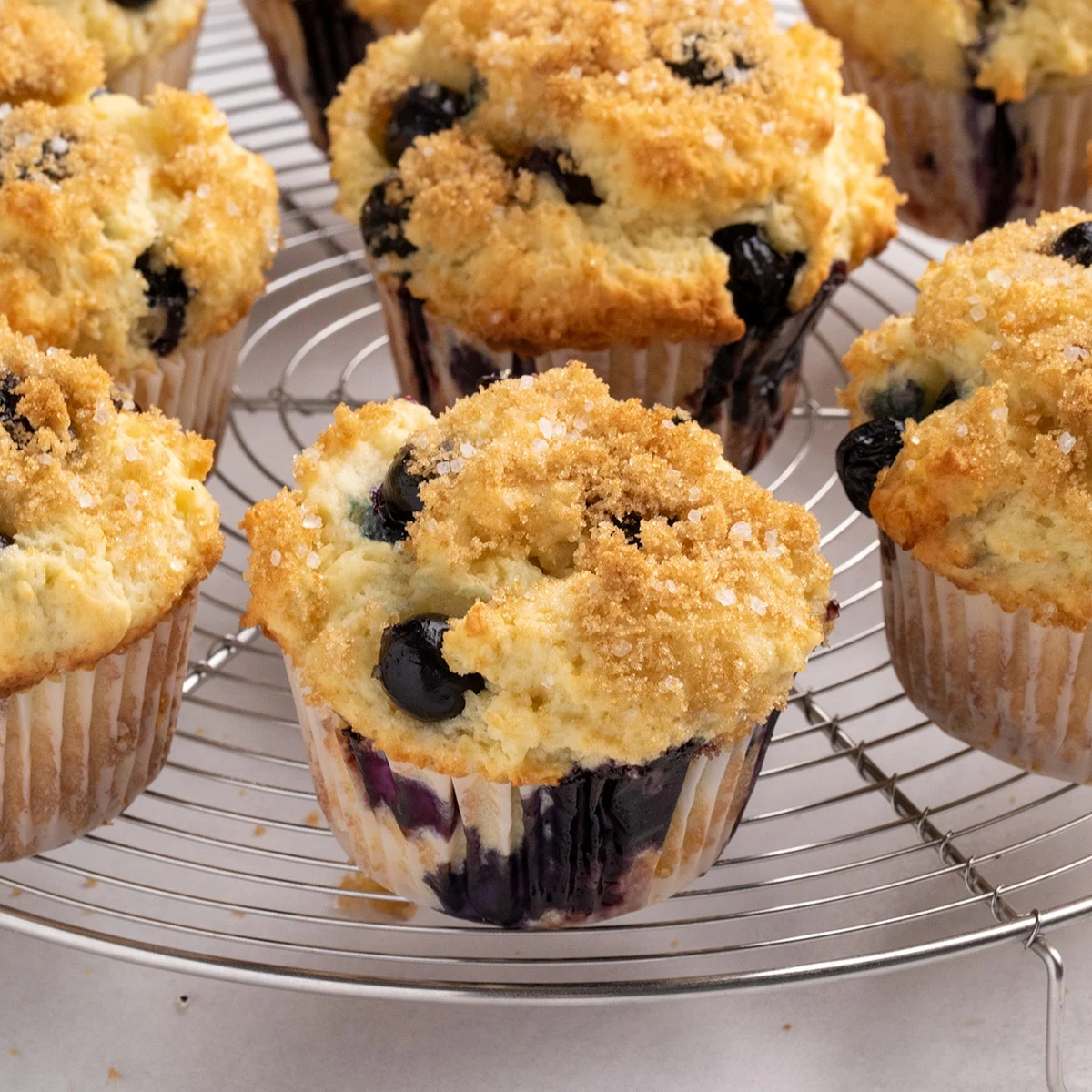
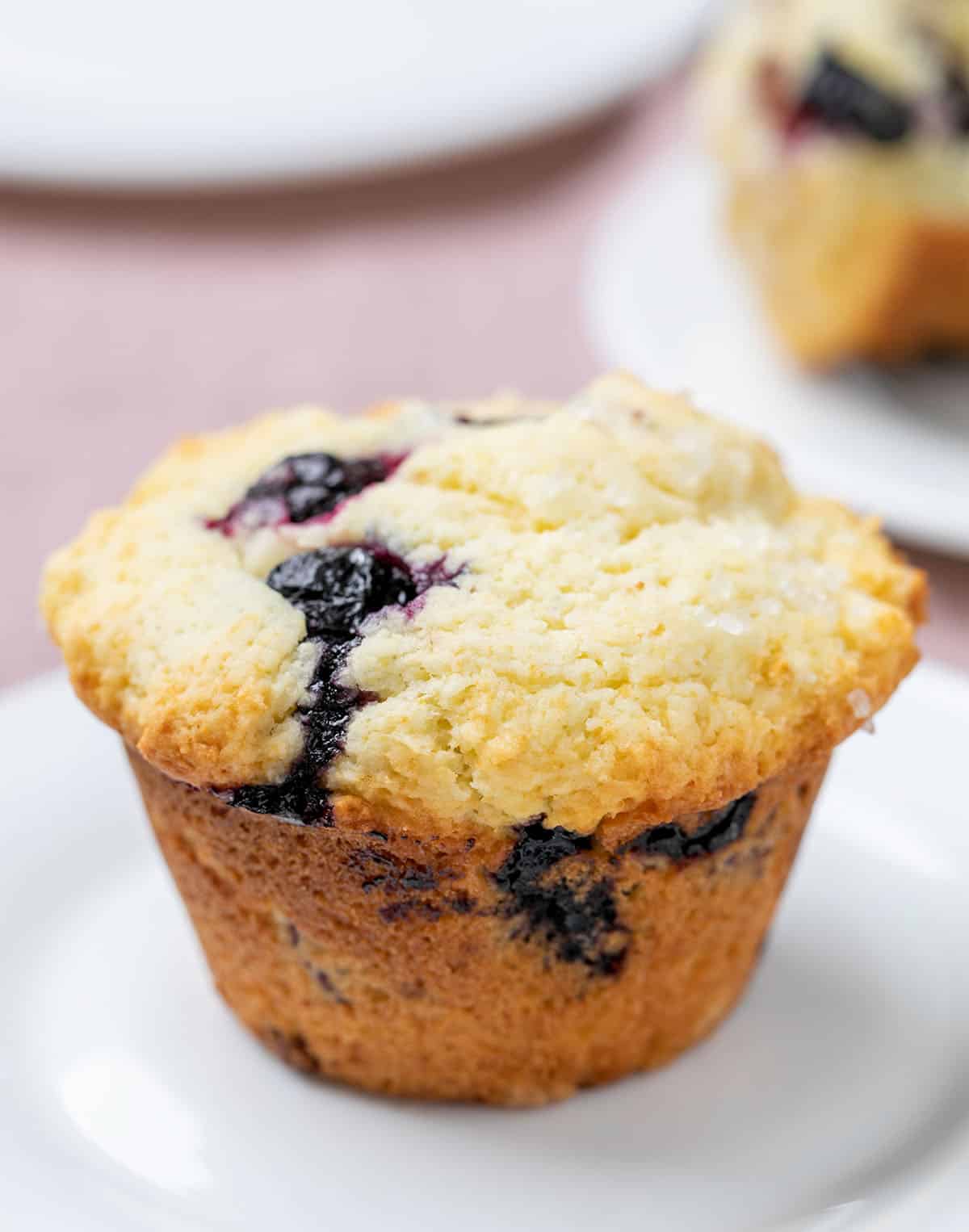
At first glance, these blueberry muffins look like they came straight from an artisanal bakery case. They feature expansive, craggy golden domes and a tender, moist interior that safely suspends fresh or frozen blueberries without letting them pool at the bottom or cause the center to sink.
However, achieving this result requires more than simply swapping out all-purpose wheat flour for a gluten-free blend. The core mechanics of this recipe rely on several distinct components:
Structural Reinforcement: Gluten provides elasticity and structure in traditional baking. Without it, gluten-free batters struggle to trap gases and hold heavy fruit. This recipe solves the problem by incorporating a slight excess of xanthan gum—a crucial binding agent—to give the thick batter the structural integrity it needs.
Acid-Base Activation: Fresh lemon juice is introduced not just for flavor, but to chemically react with the baking soda, creating an immediate burst of carbon dioxide gas that gives the batter an explosive vertical lift.
Moisture and Richness: A combination of rich buttermilk and melted butter ensures a soft, tender crumb, preventing the dry texture that plagues many gluten-free baked goods.
Thermal Shock Baking: Instead of baking at a uniform temperature, the process begins at a high heat of 400°F (204°C) to rapidly expand the gases and set the signature muffin tops, before dropping to 350°F (177°C) to gently cook the interiors without burning the exterior.
Chronology: Step-by-Step Culinary Execution
The method is designed for efficiency and success, demanding no electric mixers and minimal cleanup. Here is how the process unfolds in the kitchen:
1. Preparation and Oven Scheduling
The home baker begins by preheating the oven to a robust 400°F (204°C). A standard 12-cup muffin tin is greased or fitted with paper liners. Culinary experts note that paper liners provide an extra layer of structural support, encouraging the batter to climb upward during the initial high-heat phase.
2. Emulsifying the Wet Ingredients
In a medium mixing bowl, melted and cooled butter is whisked together with buttermilk, fresh lemon juice, and eggs until completely smooth. Breaking up the egg yolks at this stage ensures they incorporate smoothly into the dry ingredients later, eliminating the temptation to overmix the batter.
3. Assembling the Dry Base
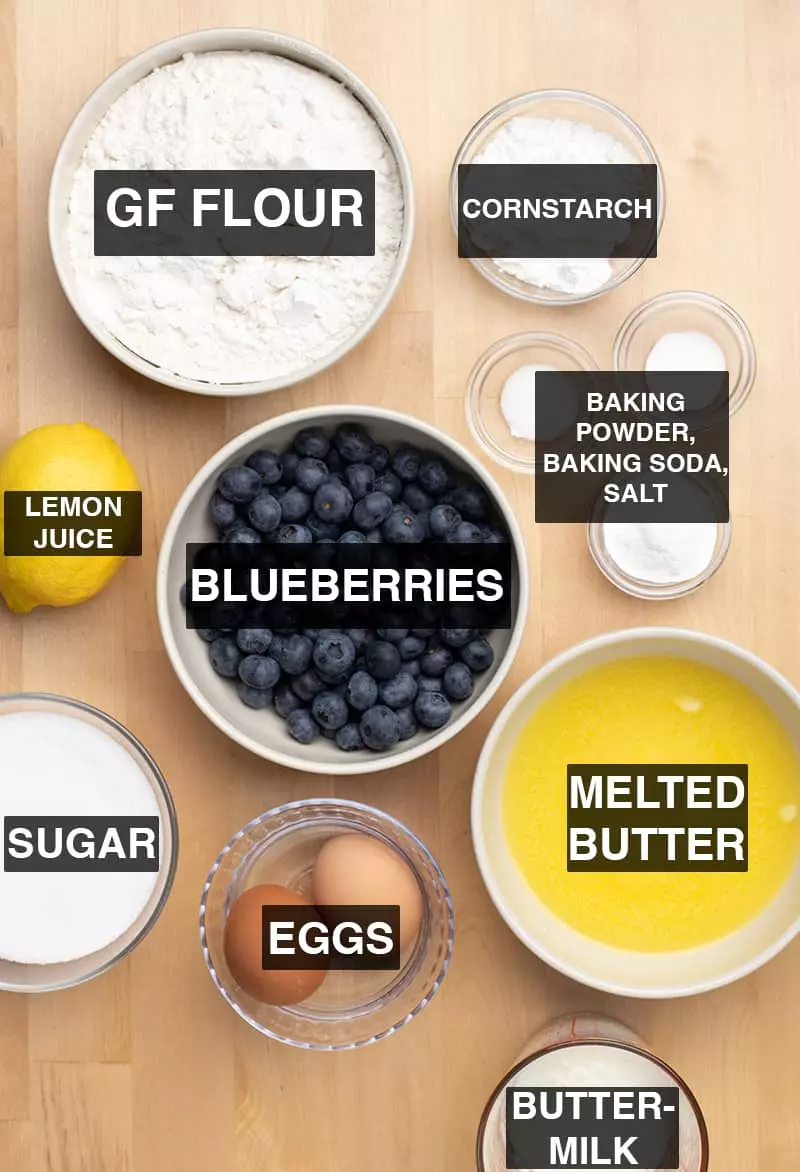
In a larger mixing bowl, the dry components come together: a balanced gluten-free flour blend, an extra measure of xanthan gum, cornstarch, baking powder, baking soda, salt, and granulated sugar.
4. Managing the Blueberries
Whether working with fresh berries or pulling a bag straight from the freezer, the fruit is tossed in approximately one tablespoon of the dry flour mixture. This simple coating creates friction, suspending the berries within the thick batter and preventing them from plummeting to the bottom of the tin during baking. Crucially, frozen berries are never thawed, ensuring they do not bleed purple dye into the batter or release excess moisture that could ruin the structural integrity.
5. Combining Wet and Dry
A well is made in the center of the dry ingredients, and the wet mixture is poured in. Stirring continues only until combined. The resulting batter is intentionally thick—a necessary trait for keeping heavy fruit suspended and locking in moisture.
6. Folding and Filling
The flour-coated blueberries are gently folded in last to prevent them from bursting. The batter is then divided evenly among the 12 muffin cups, loaded right to the tippy-top to encourage those massive, bakery-style domes. A final brush of melted butter and a generous sprinkle of coarse sugar or brown sugar create a crisp, caramelized shell on top.
7. The Bake and Cool Cycle
The muffins bake at 400°F for the first 10 minutes before the temperature is lowered to 350°F for another 10 to 12 minutes. Once removed from the oven, they rest in the tin for 10 minutes. This resting period allows starches to reassemble into a stable structure—a process known as retrogradation—preventing the muffins from crumbling apart when handled. Finally, they are transferred to a wire rack to finish cooling.
Understanding the breakdown of ingredients helps bakers troubleshoot and customize the recipe to meet various dietary needs.
Nutritional Breakdown (Per 1-Muffin Serving)
Calories: 309 kcal
Carbohydrates: 48g
Protein: 3g
Total Fat: 12g (Saturated Fat: 7g)
Cholesterol: 57mg
Sodium: 339mg
Dietary Fiber: 2g
Sugars: 21g
Ingredient Chemistry & Substitutions
The Flour Blend: Blends like Better Batter (with an extra ¼ teaspoon of xanthan gum) or Nicole’s Best (with 1 ½ teaspoons) provide the ideal foundation. Bob’s Red Mill 1-to-1 requires an additional ¾ teaspoon of xanthan gum to counteract crumbly tendencies.
Dairy-Free Adaptations: For those avoiding dairy, buttermilk can be replaced with a 50/50 mix of plain dairy-free yogurt and unsweetened non-dairy milk (such as soy or cartoned coconut milk). Butter should be swapped for block-style vegan butter (such as Miyoko’s or Melt brands); soft tub spreads or liquid oils should be avoided, as they yield a spongy, overly oily crumb.
Corn-Free Options: Arrowroot starch or potato starch can seamlessly replace cornstarch without sacrificing the tender crumb.
Official Responses and Expert Insights
Culinary developers and food scientists emphasize that gluten-free baking requires a shift in mindset compared to traditional baking.
"Good, for gluten-free just isn’t good enough," notes recipe developer Nicole Hunn, highlighting the philosophy that drives modern specialty baking. The goal is no longer to create a compromised alternative, but a product that stands on its own culinary merits.
Baking professionals stress two vital rules when executing this recipe:
Never Overmix: Once the wet and dry ingredients meet, gluten-free batters do not develop tough gluten strands like wheat doughs do, but excessive stirring does incorporate unwanted air bubbles that can collapse during baking, leading to dense centers.
Respect the Temperature Drop: The initial 400°F blast is non-negotiable for achieving high-rising domes. Skipping this step and baking at a flat 350°F will result in flat, pale, dense muffins.
Implications: Changing the Landscape of Gluten-Free Home Baking
The refinement of recipes like these blueberry muffins marks a significant milestone in home economics and dietary inclusivity. For families navigating celiac disease or gluten intolerances, the ability to produce high-end, bakery-quality goods at home bridges the gap between dietary restriction and culinary joy.
By deconstructing the physics of baking—using targeted leavening agents, precise starch adjustments, and thermal shock baking—home cooks are no longer forced to rely on expensive, commercially packaged gluten-free goods that often fall short on taste and texture. Instead, the kitchen becomes a laboratory of empowerment, proving that dietary restrictions need not come at the expense of sensory pleasure, tradition, or indulgence.
Introduction: Redefining the Morning Routine In the crowded landscape of breakfast aisles, commercial granolas often rely on artificial flavorings, heavy…