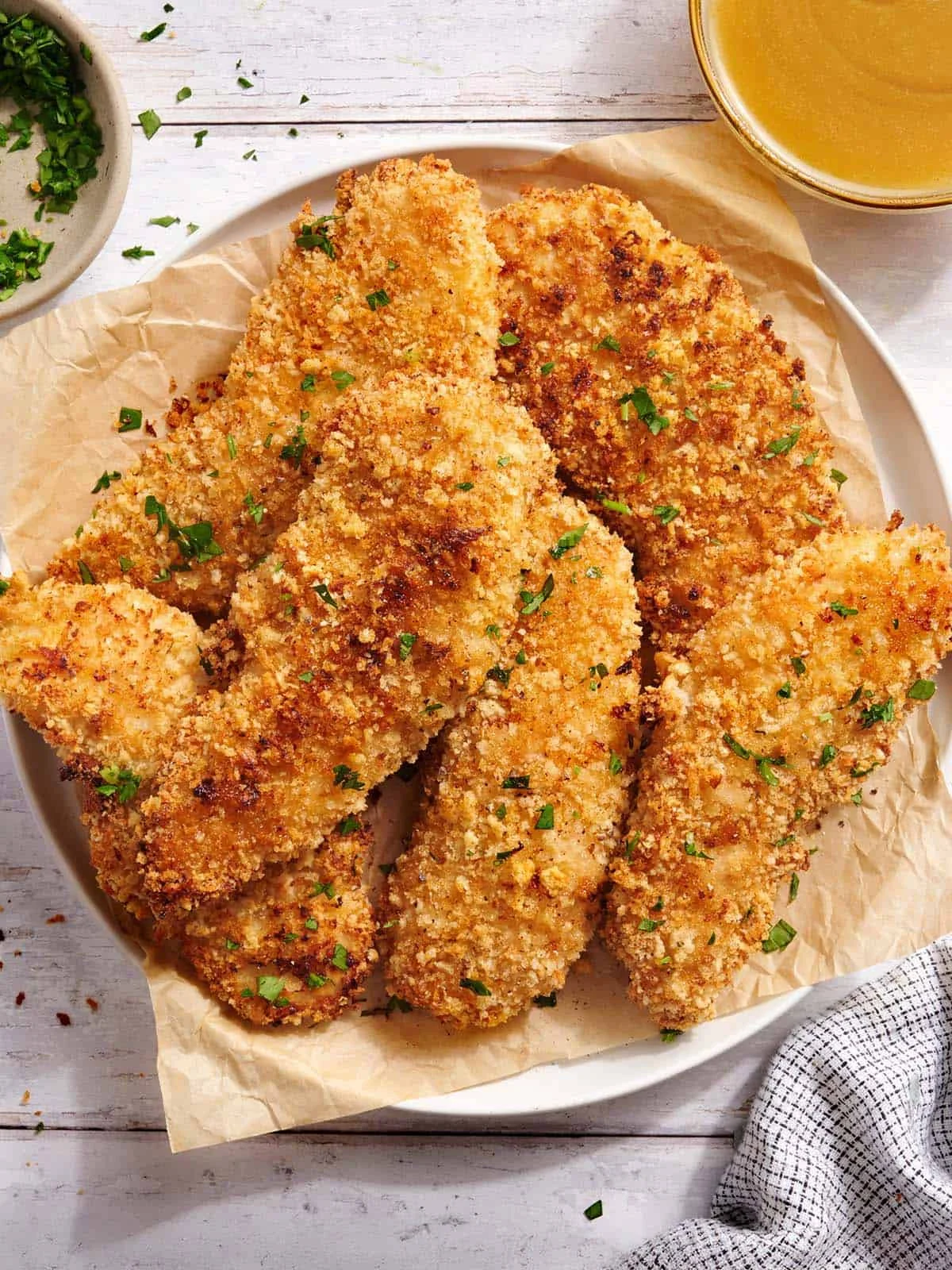
In an era where convenience often comes with a hefty price tag and an opaque list of processed ingredients, the humble chicken tender has undergone a culinary evolution. No longer relegated to the deep-fryer of a fast-food drive-thru, the "Classic Chicken Tender" has been reimagined as a high-protein, budget-friendly, and nutritionally balanced staple for the modern home cook. By utilizing simple pantry staples and a refined baking technique, home chefs are discovering that they can achieve a superior crunch and a succulent interior without the need for vats of hot oil.
The Core Concept: Engineering the Perfect "Fried" Texture Without the Fryer
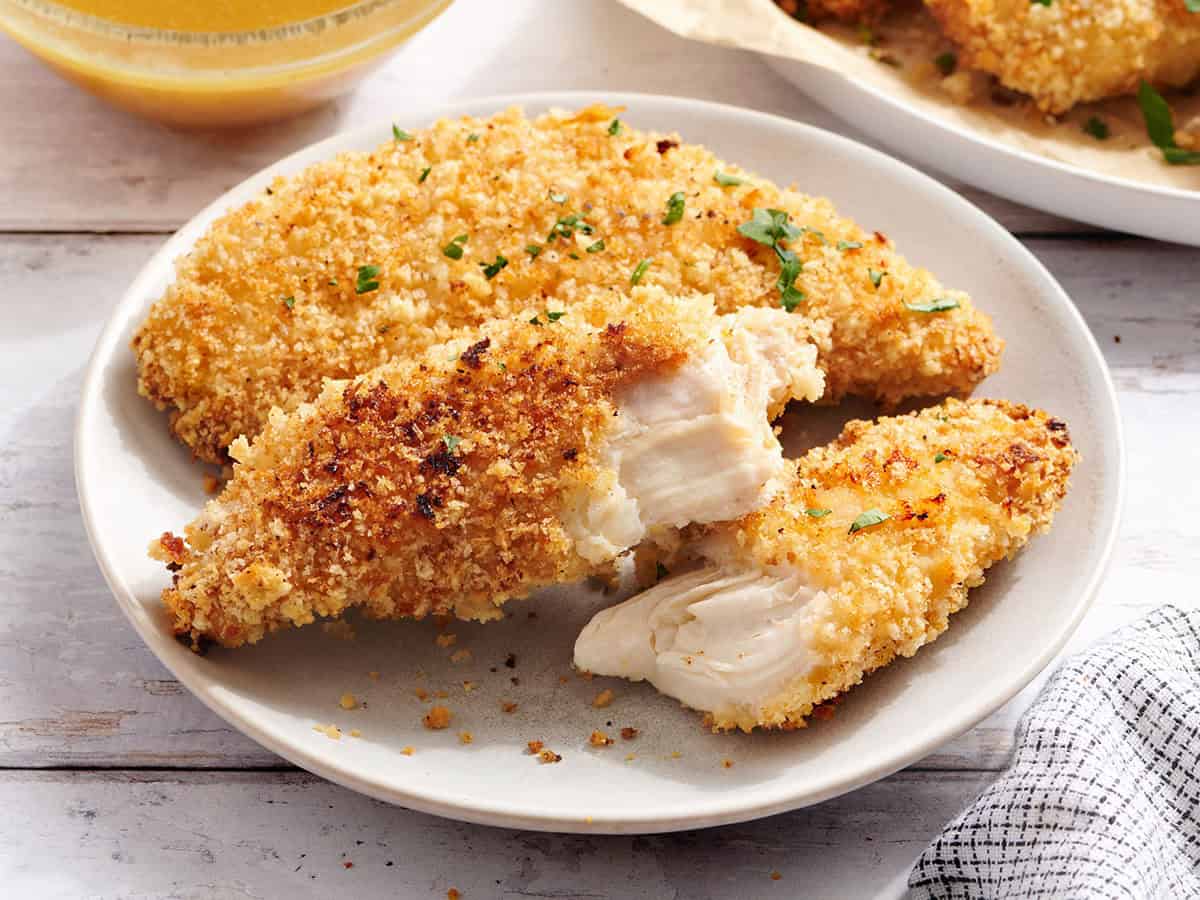
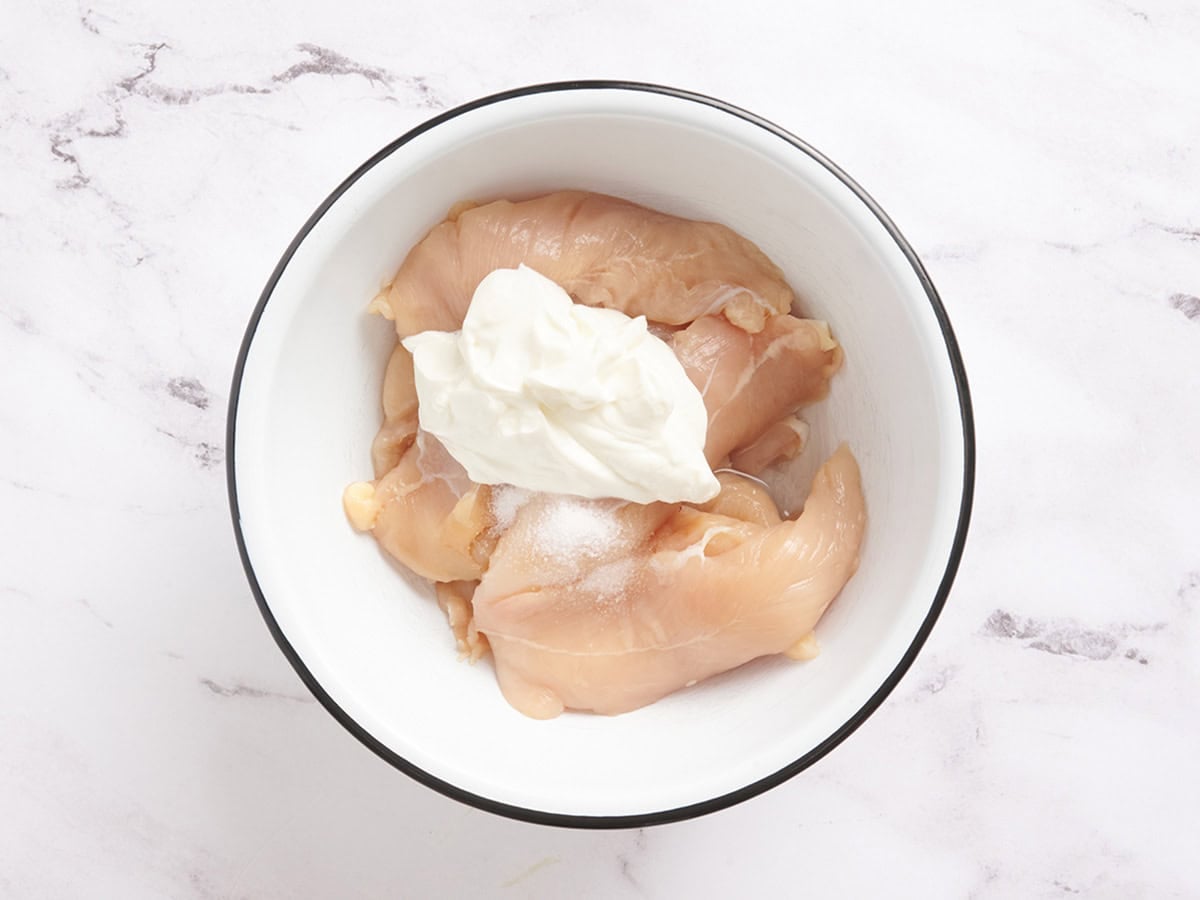
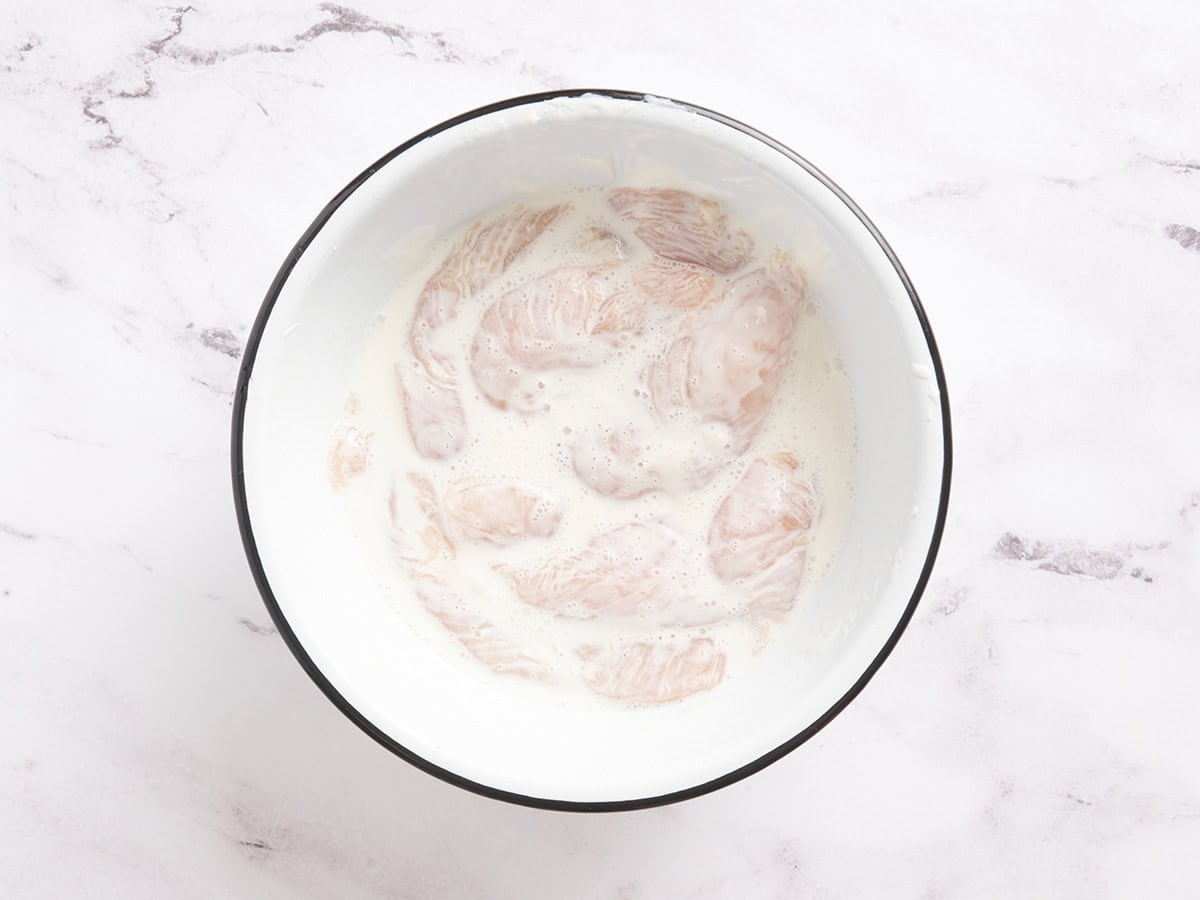
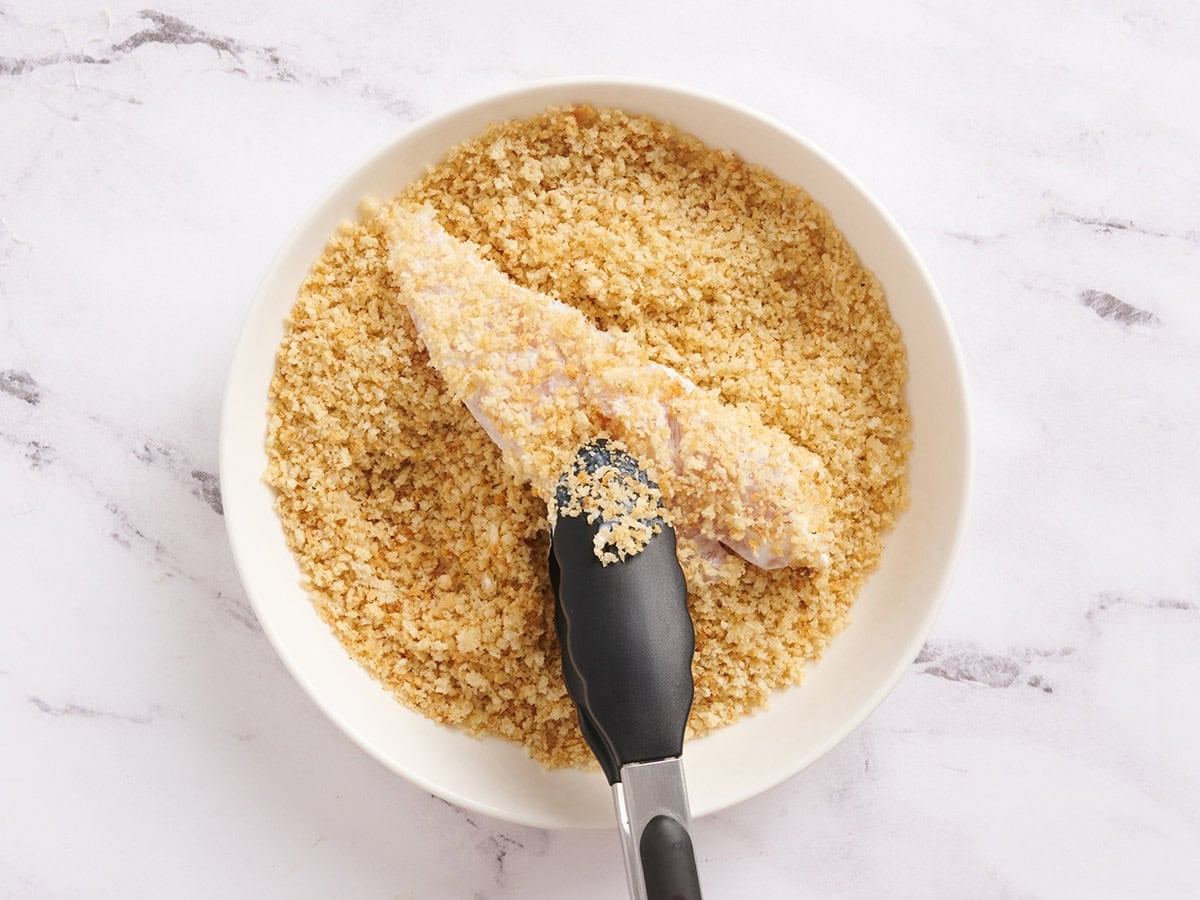
The secret to this culinary transformation lies in a two-part scientific approach: the use of plain Greek yogurt as a binder and the pre-toasting of panko breadcrumbs. Traditionally, breaded chicken requires a labor-intensive "dredge station"—flour, egg wash, and breadcrumbs. However, the use of thinned Greek yogurt simplifies this process significantly. The acidity and viscosity of the yogurt ensure that the breading adheres to the meat perfectly while infusing the chicken with a subtle, tenderizing tang.
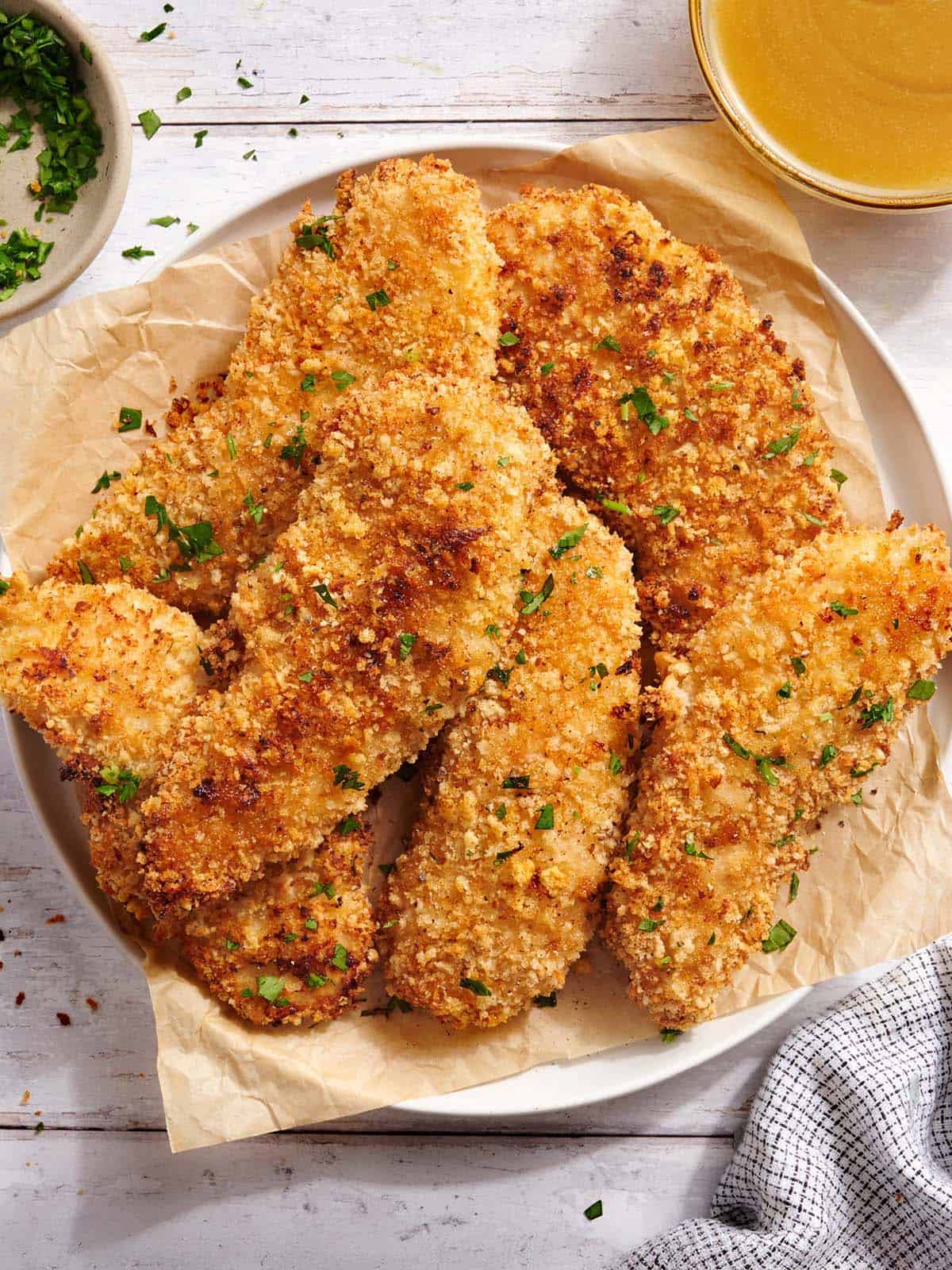
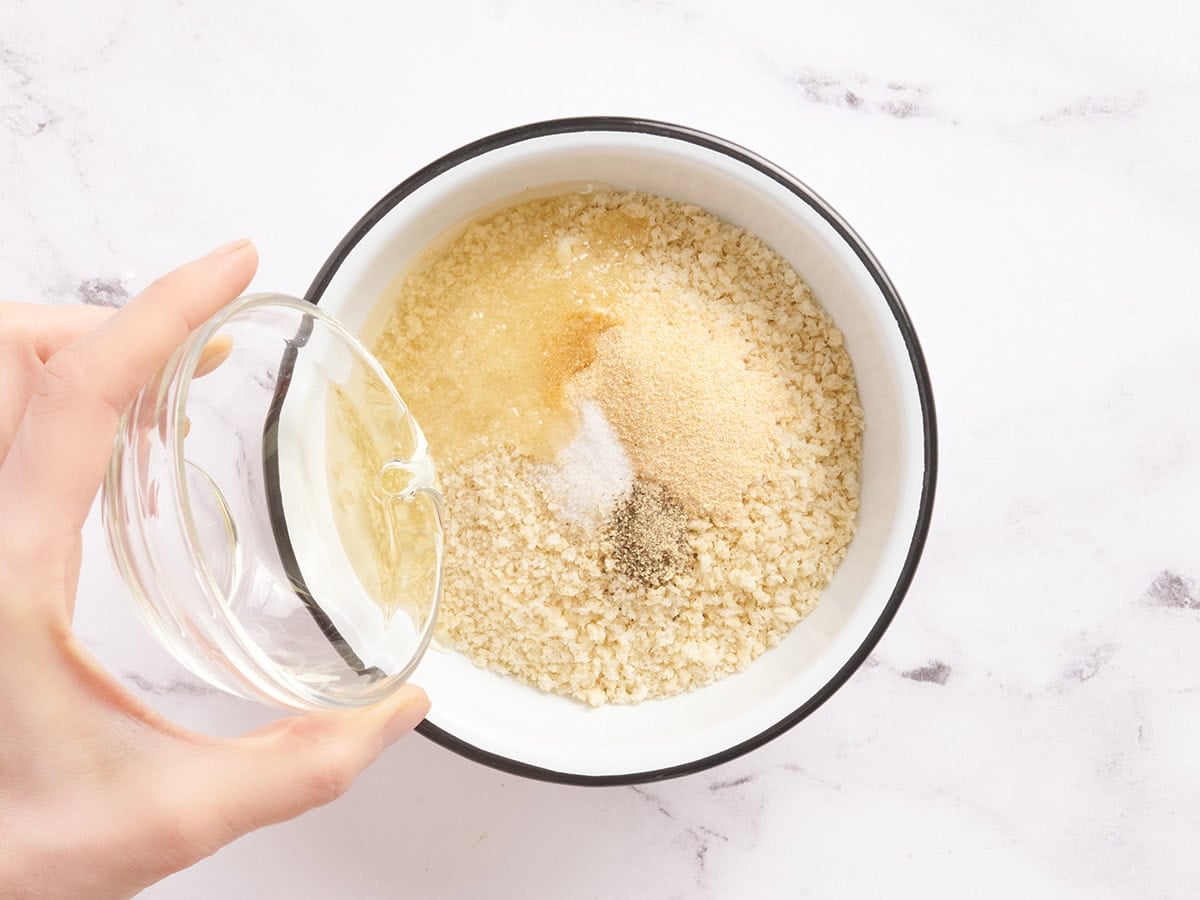
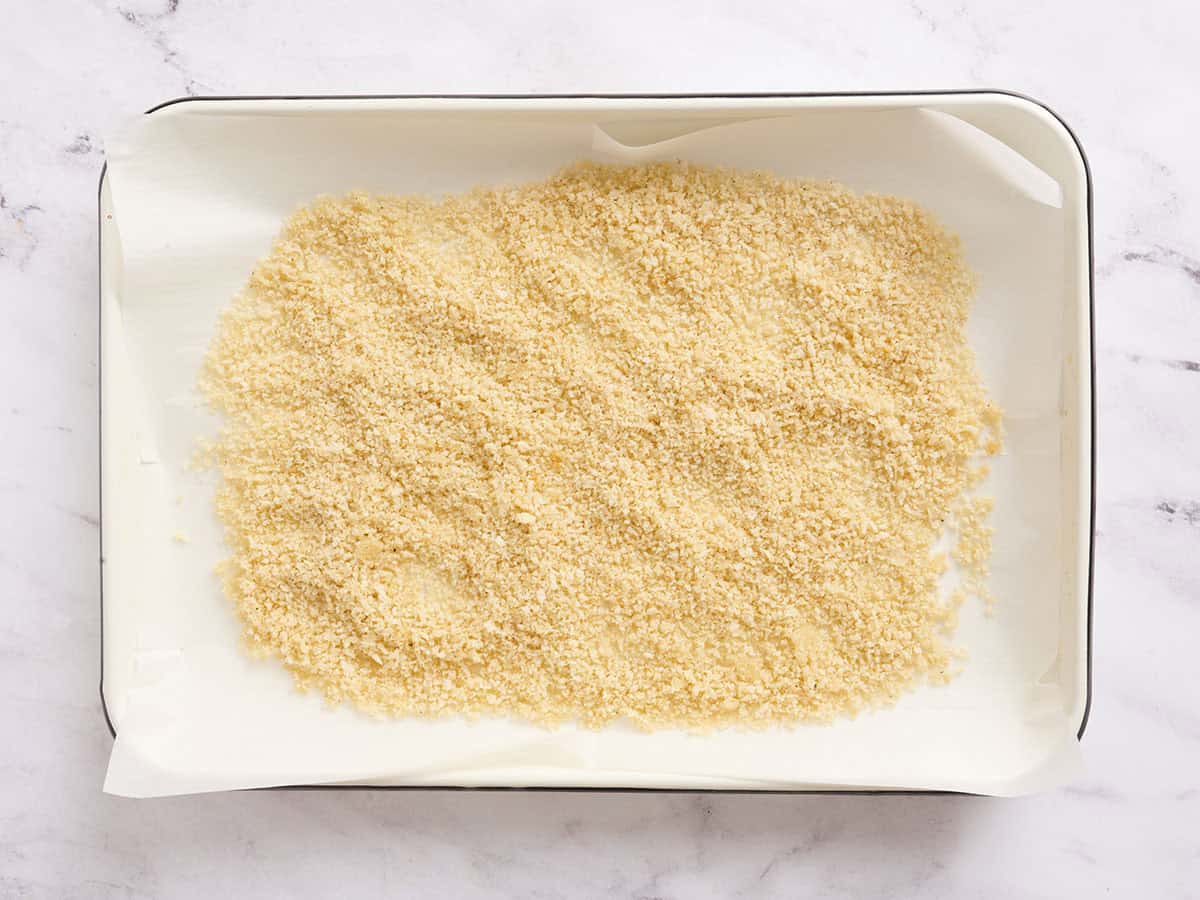
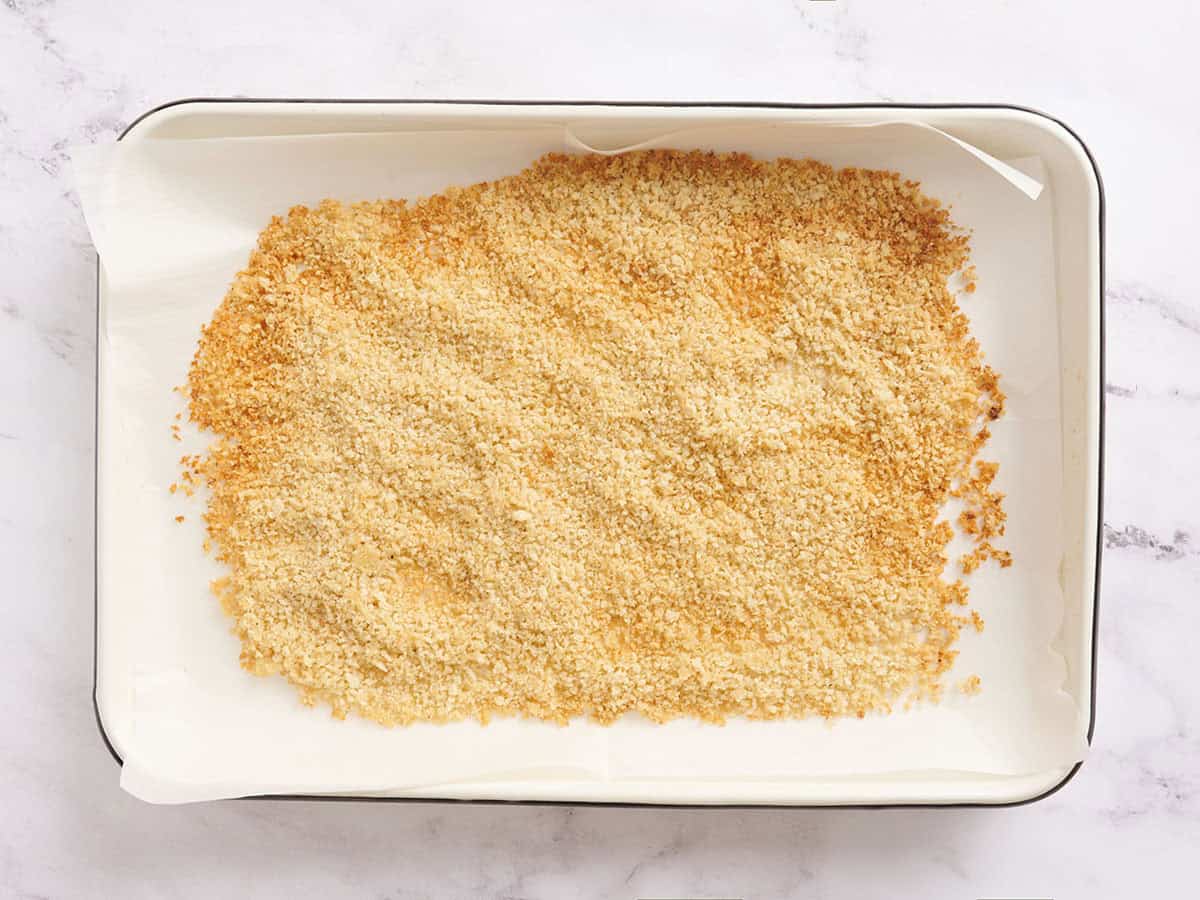
The second, and perhaps most critical, innovation is the pre-toasting of panko. Because panko breadcrumbs are larger and airier than standard breadcrumbs, they are prone to staying pale in a standard oven. By toasting the seasoned crumbs in the oven before they ever touch the chicken, the cook grants them a "head start" on the Maillard reaction. This ensures that once the chicken is coated and baked, the exterior achieves a deep, golden-brown hue and a satisfying, glass-like crunch that rivals any restaurant-quality deep-fried counterpart.
Chronology of the Recipe Development
The development of this method did not happen in a vacuum. It was the result of rigorous testing within the Nashville Test Kitchen, where culinary experts focus on the intersection of affordability and flavor.
- Initial Research: The team began by analyzing the "homemade chicken nugget" model, which successfully replaced traditional egg-based binders with yogurt.
- Technique Refinement: The primary challenge was the "soggy bottom" phenomenon common in oven-baked breaded items. The solution was discovered by thinning the yogurt with water to reduce moisture density, ensuring the coating remained thin and uniform.
- The Panko Breakthrough: Early trials with raw panko resulted in uneven browning. The introduction of a pre-toasting phase—tossing the panko with a small amount of neutral oil and spices—was the final piece of the puzzle. This step effectively mirrors the browning process that occurs in a deep fryer.
- Scaling and Testing: The final recipe was stress-tested for different batch sizes, ensuring that the instructions for scaling from four servings to larger family-style portions remained foolproof.
Supporting Data: The Economics of Home Cooking
For the cost-conscious consumer, the financial argument for this recipe is compelling. Recent market analysis of popular fast-food chains indicates that a three-piece order of chicken strips can command a price of $5 to $6. When accounting for current grocery prices, this homemade version rings in at approximately $1.76 per serving.
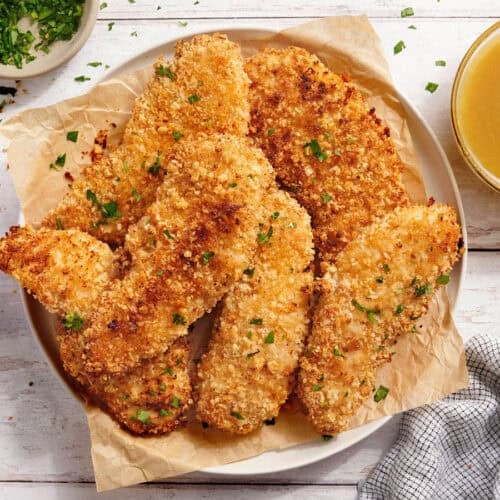
Cost Breakdown per Serving:
- Chicken Tenders: The primary expense, optimized by buying in bulk during sales.
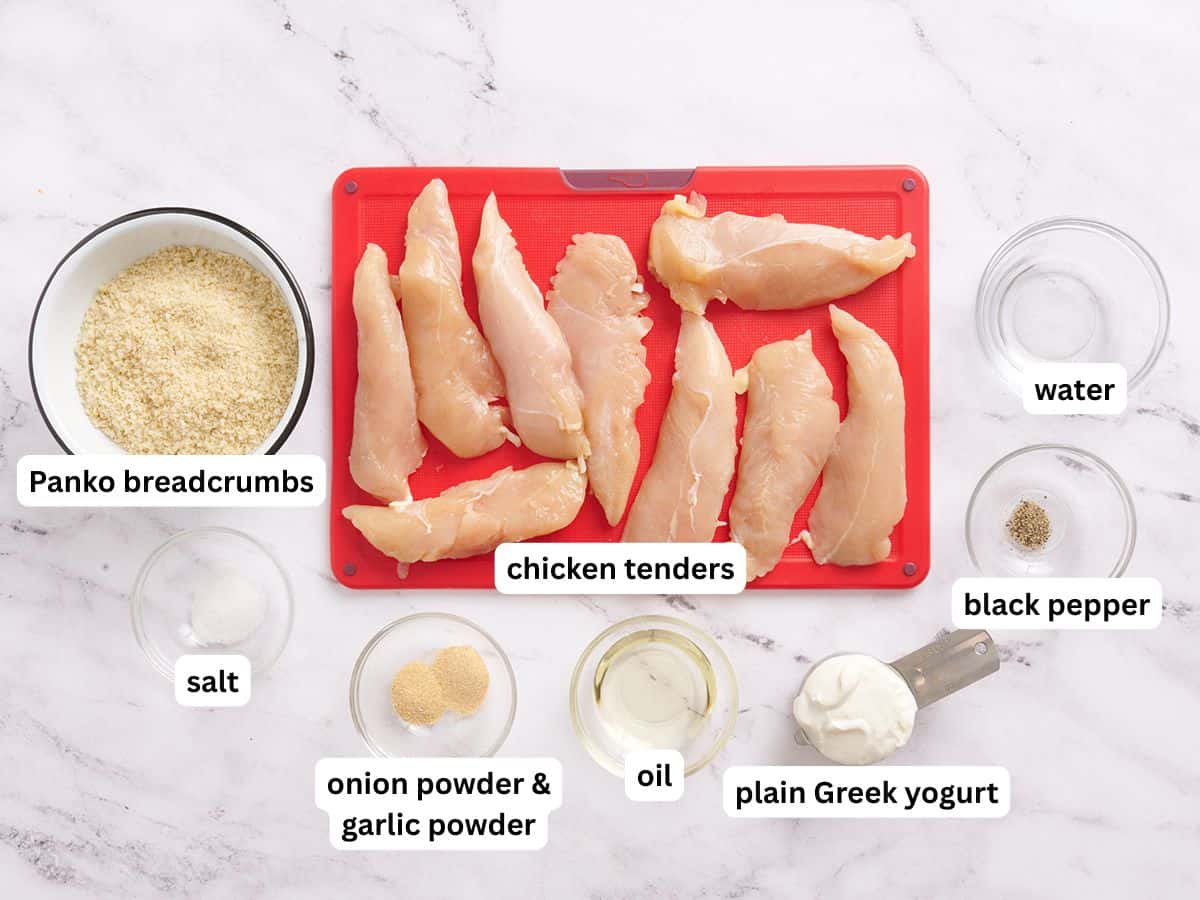
- Pantry Staples: Greek yogurt, panko, and dry spices constitute a negligible fraction of the total cost per meal.
- Energy Efficiency: By utilizing the oven at a steady 400°F, the recipe is significantly more energy-efficient than maintaining a deep-fryer or a secondary appliance.
Beyond the cost, the health implications are noteworthy. By eliminating deep-frying, the caloric density is reduced, and the reliance on hydrogenated oils—often found in commercial frying fats—is entirely removed. Each serving provides approximately 29 grams of high-quality protein, making it an ideal choice for athletes, busy families, and individuals focusing on lean muscle maintenance.
Expert Perspectives: The Shift Toward Proactive Meal Prep
Chef Jess Rice, a culinary educator and contributor to the recipe development, emphasizes the importance of these tenders in a chaotic household environment. "When you have a busy school schedule or a demanding work week, the goal is to have ‘building blocks’ ready in the freezer," says Rice. "By batch-cooking these, you aren’t just saving money; you are reclaiming your time."
According to Rice, the key to successful meal prep is the "flash freeze" method. By arranging the breaded (but unbaked or fully baked) tenders on a sheet pan in a single layer, you prevent them from sticking together. Once solid, they can be transferred to a freezer-safe bag, allowing the home cook to pull out exactly the number of tenders needed for a single lunch or a quick dinner.
Culinary Implications and Versatility
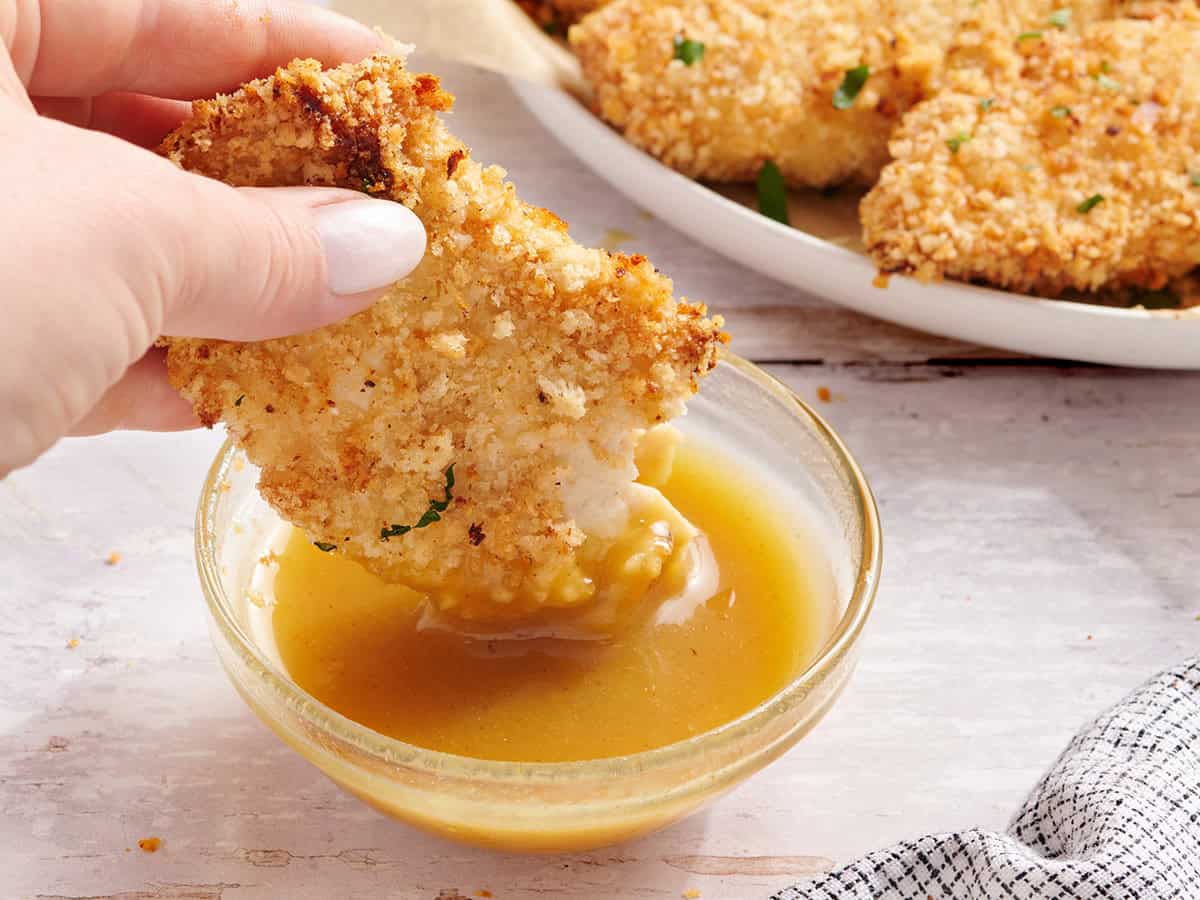
The versatility of the chicken tender extends far beyond the traditional ketchup dip. Culinary trends suggest that the home-cooked tender is becoming a preferred protein for a variety of dishes:
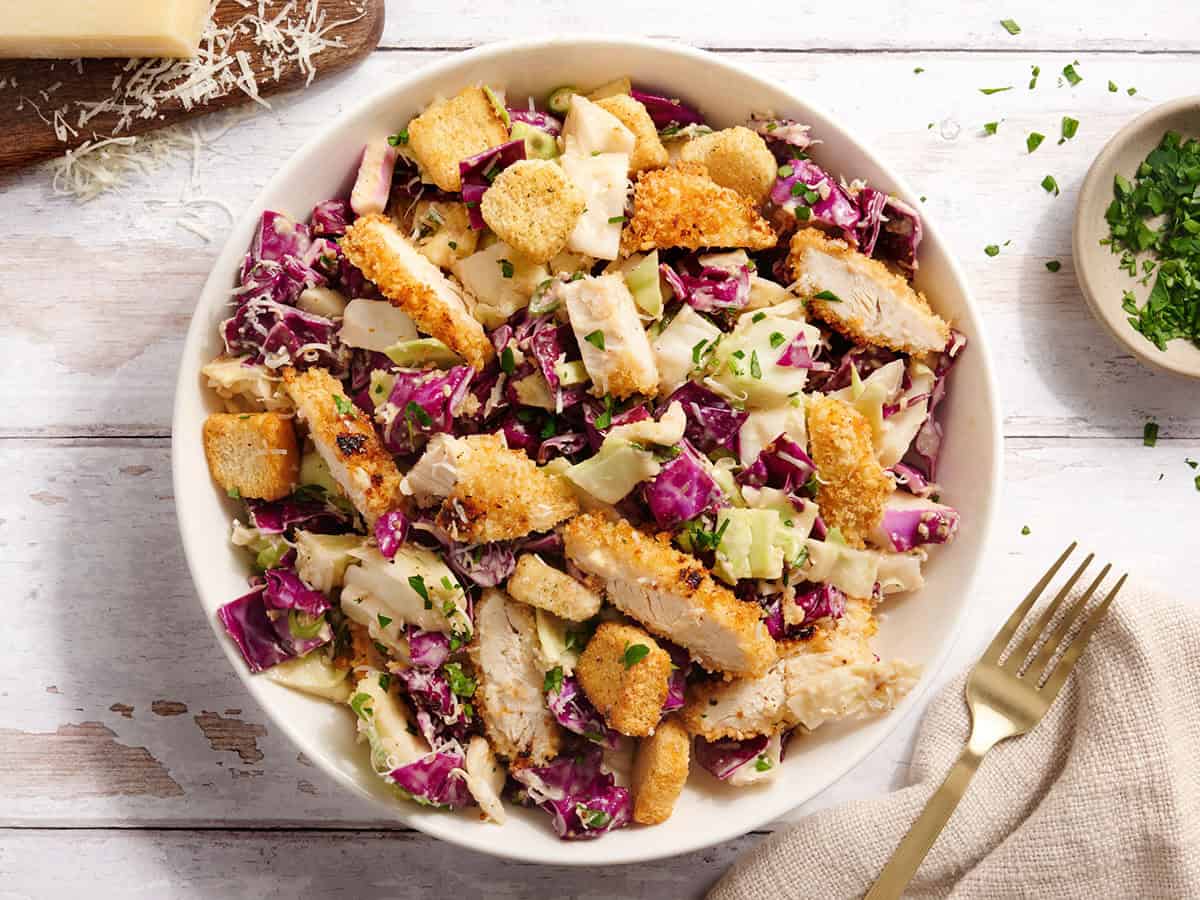
- The Caesar Slaw Integration: Crispy tenders sliced over a bed of shredded cabbage and Caesar dressing offer a sophisticated, crunchy salad experience.
- The Comfort Pairings: When paired with homemade mac and cheese or air-fryer french fries, the tenders transition from a snack to a "cozy" main course.
- The Flavor Palette: Because the base seasoning relies on onion powder, garlic powder, and salt, the tenders act as a neutral canvas. Cooks are encouraged to experiment with smoked paprika for a southwestern flair, or dried oregano and lemon zest for a Mediterranean profile.
Addressing Dietary and Operational Concerns
The recipe is inherently flexible to accommodate various dietary requirements:
- Gluten-Free Modifications: By swapping standard panko for gluten-free breadcrumbs, the recipe remains entirely accessible to those with celiac disease or gluten sensitivities.
- Dairy-Free Adjustments: For those avoiding dairy, plain, unsweetened dairy-free yogurt serves as a direct substitute. The only requirement is to adjust the water content carefully, as dairy-free alternatives vary significantly in their natural thickness.
- Equipment Versatility: While the oven is the primary method, the recipe adapts seamlessly to air-fryer technology. Air frying at 400°F for approximately 13 minutes often provides an even crunchier result, provided the cook ensures the tenders are not overlapping in the basket.
Conclusion: The Future of the "Classic" Meal
The movement toward "elevated home cooking" is clearly defined by recipes like these oven-baked tenders. They represent a departure from the reliance on expensive, processed convenience foods and a return to the fundamentals of culinary science—understanding how ingredients like yogurt and panko interact under heat to create texture and flavor.
As food costs continue to fluctuate, the ability to source bulk proteins, utilize reliable pantry staples, and execute professional-level techniques in a home kitchen will remain a vital skill set. Whether it is for a parent packing a school lunch, a student managing a tight budget, or a professional looking for a healthy, quick dinner, the classic chicken tender serves as a testament to the fact that simple, affordable food can—and should—be extraordinary.
By mastering the techniques outlined here, the home cook moves from a passive consumer of fast food to an active creator of their own nutritional narrative. The result is a dish that is not only better for the wallet and the body, but infinitely more satisfying to the palate.