LONDON — It is a fundamental law of culinary physics: water and oil do not mix. left to their own devices, they inevitably separate into distinct, unappealing layers. Yet, the modern food industry relies entirely on defying this law. From the velvety richness of a morning latte and the smooth luxury of artisanal ice cream to the sharp tang of a vinaigrette and the decadent melt of a chocolate ganache, many of the world’s most beloved foods are fundamentally unstable mixtures of water and fat.
Ensuring these products maintain their texture, appearance, and structural integrity—from the factory floor to the grocery shelf, and finally to the consumer’s plate—remains one of the most complex challenges in food science and industrial manufacturing.
Main Facts: The Emulsion Dilemma
At the heart of this challenge is the emulsion—a thermodynamic system where droplets of one liquid are suspended within another. In most food applications, this means microscopic droplets of oil suspended in water (oil-in-water emulsions like milk and mayonnaise) or water suspended in fat (water-in-oil emulsions like butter and margarine).
Because water and oil molecules are chemically incompatible, emulsions inherently seek a state of lower energy, which means breaking apart. When an emulsion "splits" or "breaks," the suspended droplets collide, merge, and ultimately segregate.
For food manufacturers, a broken emulsion spells disaster. A salad dressing that separates inside the bottle looks spoiled and unappetizing to consumers. A commercial batch of custard that splits during thermal processing can jam factory piping, ruin entire production runs, and cost companies thousands of dollars in wasted inventory.
To combat this, food scientists and process engineers rely on a triad of core stabilization strategies: thickening the continuous phase, deploying amphiphilic emulsifiers, and strictly controlling physical processing parameters such as shear and temperature.
Chronology: From Ancient Kitchens to Industrial Engineering
While modern consumers take shelf-stable mayonnaise and uniform ice cream for granted, the mastery of emulsions has evolved over centuries through trial, error, and eventually, molecular-level engineering.

- Ancient Beginnings: Long before the science of rheology was understood, ancient cooks mastered empirical emulsion stabilization. The invention of aioli (garlic and olive oil) and mayonnaise relied on natural emulsifiers found in egg yolks, using vigorous manual whisking to break oil into tiny droplets.
- The Industrial Revolution (Late 19th Century): The advent of mass food production necessitated mechanical solutions. The invention of the milk homogenizer in the late 1800s introduced high-pressure mechanical force to shatter fat globules, preventing cream from separating in commercial milk.
- Mid-20th Century: The rise of processed foods in the post-war era drove rapid advancements in food chemistry. Scientists began isolating and synthesizing specific hydrocolloids (thickeners) and chemical emulsifiers (such as lecithins and mono- and diglycerides) to control product shelf-life and mouthfeel precisely.
- Modern Era (21st Century): Today, food manufacturing utilizes advanced rheological analysis, computer-controlled shear mixing, and thermal profiling to engineer emulsions down to the nanoscale, eliminating "separation anxiety" for industrial-scale producers.
Supporting Data and Scientific Mechanisms
Understanding how to stabilize an emulsion requires a deep dive into food physics and chemistry. Industry experts categorize the primary pathways to stability through three distinct methodologies.
Strategy 1: Stabilize the Emulsion by Thickening It
For a mixture of oil and water to separate, it must be physically capable of movement. Water molecules must migrate to find other water molecules, and oil droplets must collide and coalesce. If molecular mobility is restricted, separation is halted.
- Adding Thickeners: By incorporating hydrocolloids or starches—such as modified corn starch, potato starch, or xanthan gum—into the continuous water phase, manufacturers drastically increase the liquid’s viscosity. While a thickened salad dressing no longer pours with watery freedom, it remains fluid enough to be squeezed from a bottle while trapping suspended oil droplets in a gelatinous matrix.
- Solidifying the Fat: Strictly speaking, once liquid oil transforms into a solid fat, the system ceases to be a true emulsion and becomes a suspension or a solid matrix. However, solidifying fat is one of the most reliable stabilization methods in confectionery and baking. In a chocolate ganache or a chocolate mousse, cocoa butter and chocolate solids crystallize as they cool, locking moisture and air cells permanently in place. Butter operates on the exact same principle: an emulsion of water droplets locked securely inside a solid matrix of milk fats.
Strategy 2: Surround the Droplets with Emulsifiers
Thickening an emulsion is not always desirable. A consumer purchasing a gourmet vinaigrette expects a thin, runny consistency rather than a gelatinous sauce. In such cases, altering the viscosity fails, and chemists must turn to emulsifiers.
Emulsifiers are specialized molecules that position themselves directly at the microscopic interface where water and oil meet. Most effective food emulsifiers are amphiphilic, meaning they possess a dual chemical nature: a hydrophilic ("water-loving") head and a hydrophobic ("fat-loving") tail.
By anchoring themselves along the boundary of each oil droplet, these molecules create a protective barrier. They lower interfacial tension and introduce steric or electrostatic repulsion, preventing droplets from merging when they collide.
Strategy 3: Calibrate Process Conditions
Formulation chemistry is only half the battle; how an emulsion is manufactured is equally critical. Two process parameters dominate industrial production lines: shear (mixing intensity) and temperature.
- The Dangers of Overmixing: High-shear mixers and industrial homogenizers are essential for creating micro-droplets of oil. However, it is entirely possible to overmix an emulsion. As mechanical energy shatters oil droplets into smaller sizes, the total surface area of the oil phase explodes exponentially. If a batch contains a fixed amount of emulsifier, creating too many tiny droplets leaves the total surface area under-protected. Without enough emulsifier to coat the newly created surfaces, the system destabilizes and rapidly separates.
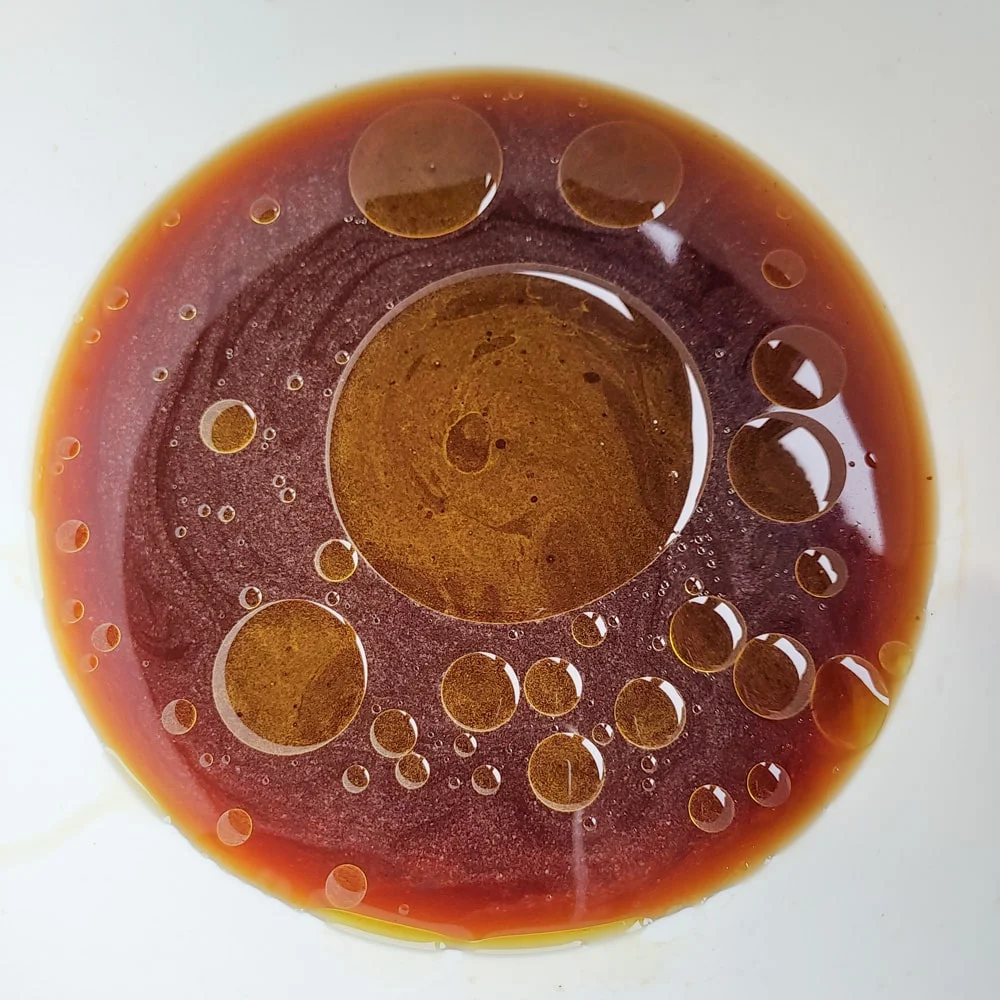
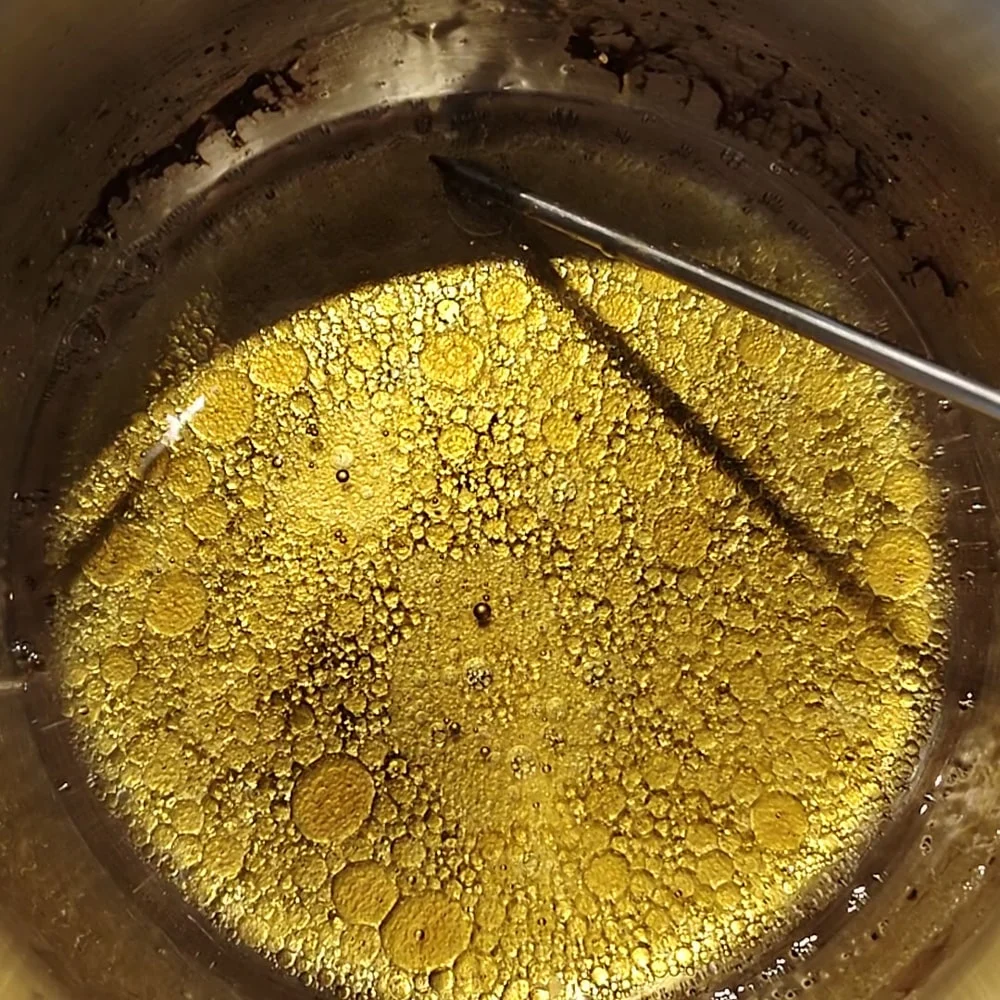
- Thermal Management: Elevated temperatures are frequently used during production because lower liquid viscosity makes ingredients easier to pump, blend, and pour. However, thermal energy increases molecular kinetic activity, making it vastly easier for phases to separate. A striking example can be observed when warm coconut oil is introduced into maple syrup: without careful thermal control, phase separation occurs almost instantaneously.
Industry Perspectives and Official Responses
Food industry consultants and manufacturing engineers emphasize that scaling an emulsion from a laboratory test kitchen to an automated factory line requires rigorous quality control.

Dr. Elena Vance, a leading industrial food rheologist, notes that modern consumer expectations have raised the stakes for manufacturers. "Today’s consumer demands clean-label ingredients, low fat content, and extended shelf life—all without sacrificing the luxurious mouthfeel associated with high-fat foods," Dr. Vance explains. "Achieving this balance means formulators can no longer rely on heavy-handed chemical fixes. They must orchestrate a delicate dance between precise hydrocolloid selection, natural amphiphilic compounds, and tightly controlled thermal-mechanical processing."
Major food conglomerates have increasingly invested in advanced inline viscosity sensors and high-pressure homogenization technology to monitor emulsion stability in real-time, drastically reducing batch failure rates and food waste during production.
Implications for the Future of Food Technology
The ongoing mastery of emulsions has profound implications for global food security, sustainability, and nutrition.
As the global market shifts toward plant-based diets, food scientists face unprecedented challenges. Plant proteins derived from soy, peas, and oats often possess vastly different emulsifying and thickening properties compared to traditional animal-derived ingredients like dairy proteins and egg albumin. Replicating the rich, stable texture of traditional mayonnaise or ice cream using purely plant-based inputs requires cutting-edge stabilization strategies.
Furthermore, mastering emulsion stability allows manufacturers to reduce overall fat content without sacrificing consumer appeal, contributing to healthier public dietary profiles. By understanding the invisible physical warfare between water and oil, the food industry continues to unlock new frontiers in texture, nutrition, and shelf stability, ensuring that what looks delicious in the factory remains just as enticing on the dinner table.