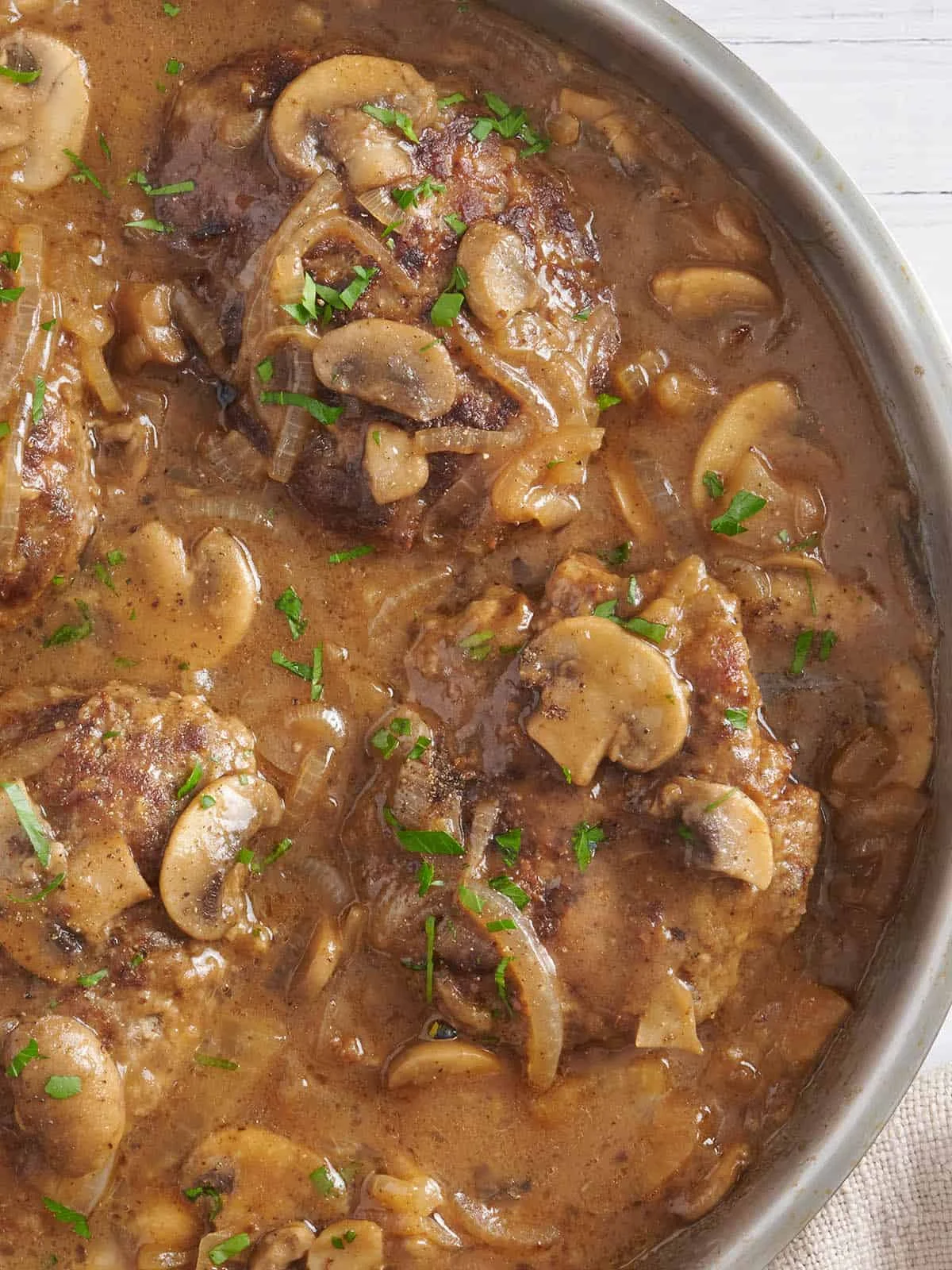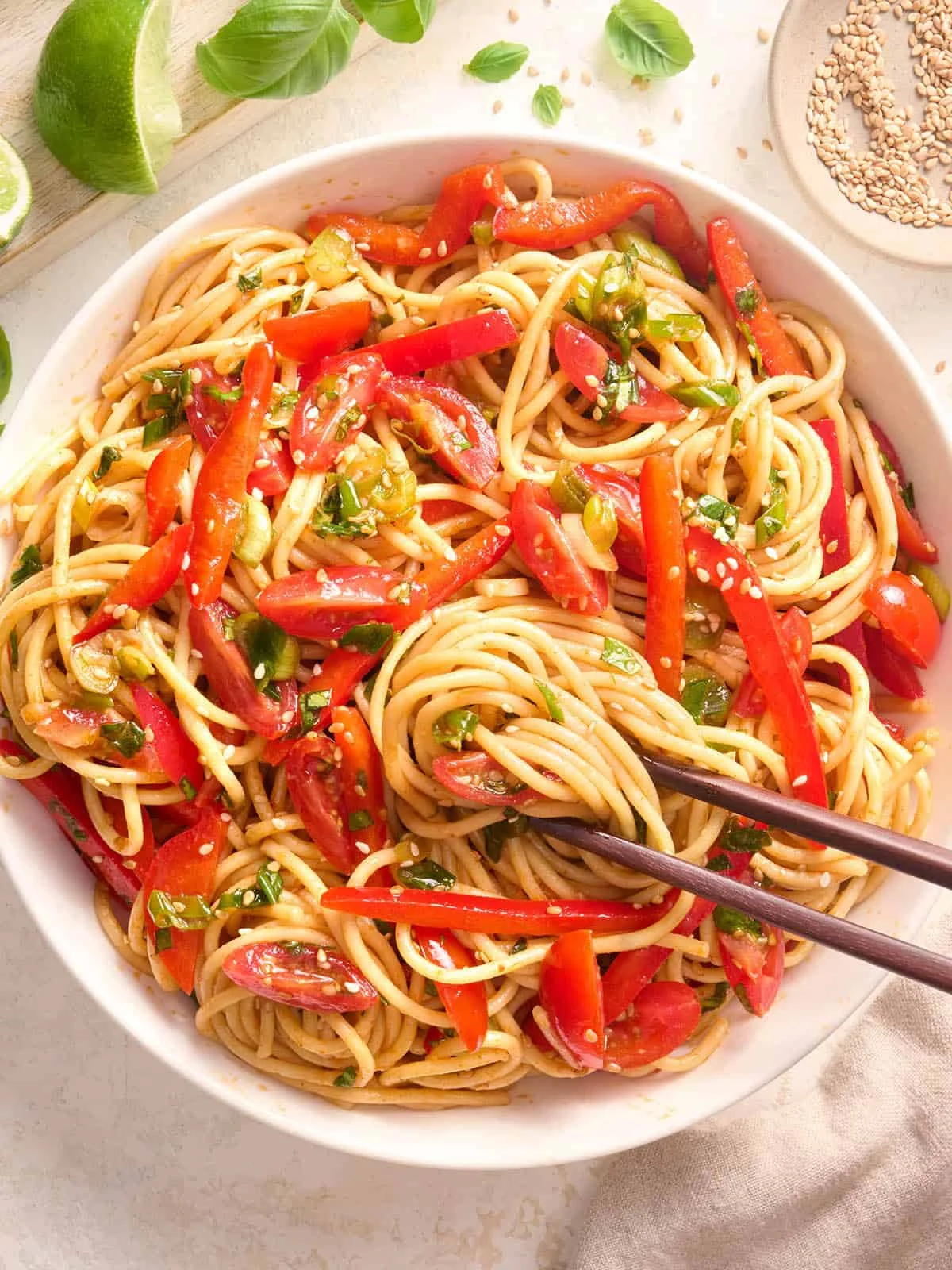
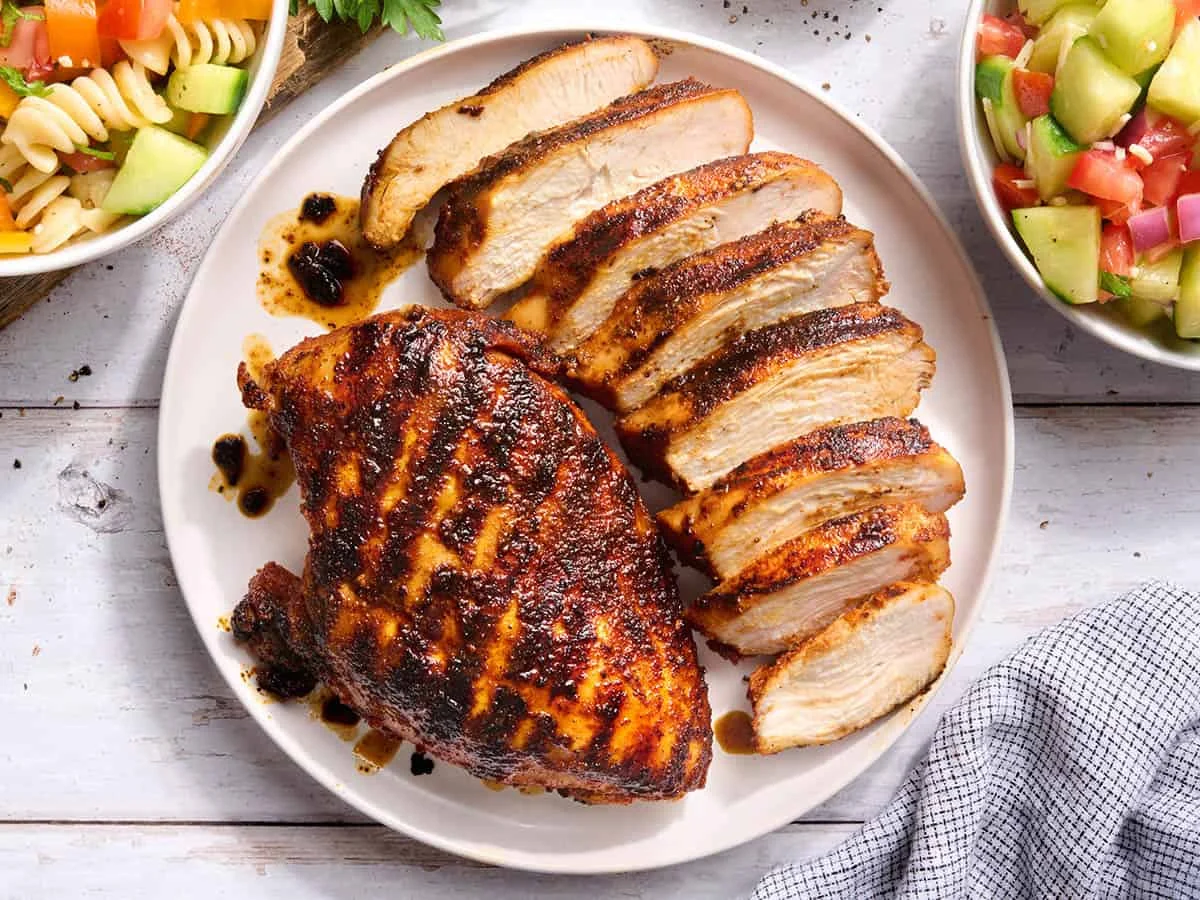
The arrival of summer brings a seasonal paradox for the home cook: while the bounty of fresh produce is at its peak, the rising temperatures make the idea of firing up a traditional oven increasingly unappealing. For many families, the kitchen becomes a place to avoid rather than a hub of activity. However, the mission remains the same—to provide nutritious, satisfying, and delicious meals without turning the home into a sweltering restaurant kitchen.
By focusing on smart planning, efficient cooking techniques, and flexible ingredients, it is entirely possible to navigate the dog days of summer with ease. This guide explores a curated collection of recipes—ranging from high-protein grilled mains to crisp, refreshing salads—designed to keep your energy high and your utility bills low. Every recipe featured here has been rigorously tested in our Nashville Test Kitchen to ensure that simplicity, affordability, and flavor remain the cornerstones of your summer table.

The Strategy of Low-Heat Cooking
To successfully manage summer meal prep, one must adopt a "low-heat" philosophy. This involves prioritizing outdoor grilling, quick pan-searing, and the utilization of fresh, no-cook ingredients. The goal is to maximize the utility of your ingredients, ensuring that leftovers can be repurposed into secondary meals, thereby saving both time and money.
1. The Versatility of Grilled Chicken
Grilled chicken serves as the gold standard for summer meal planning. By using a simple, effective brine, you can ensure that even the largest chicken breasts remain succulent and juicy after time on the grill. A well-balanced sweet and savory spice rub provides depth of flavor that carries through to the next day.
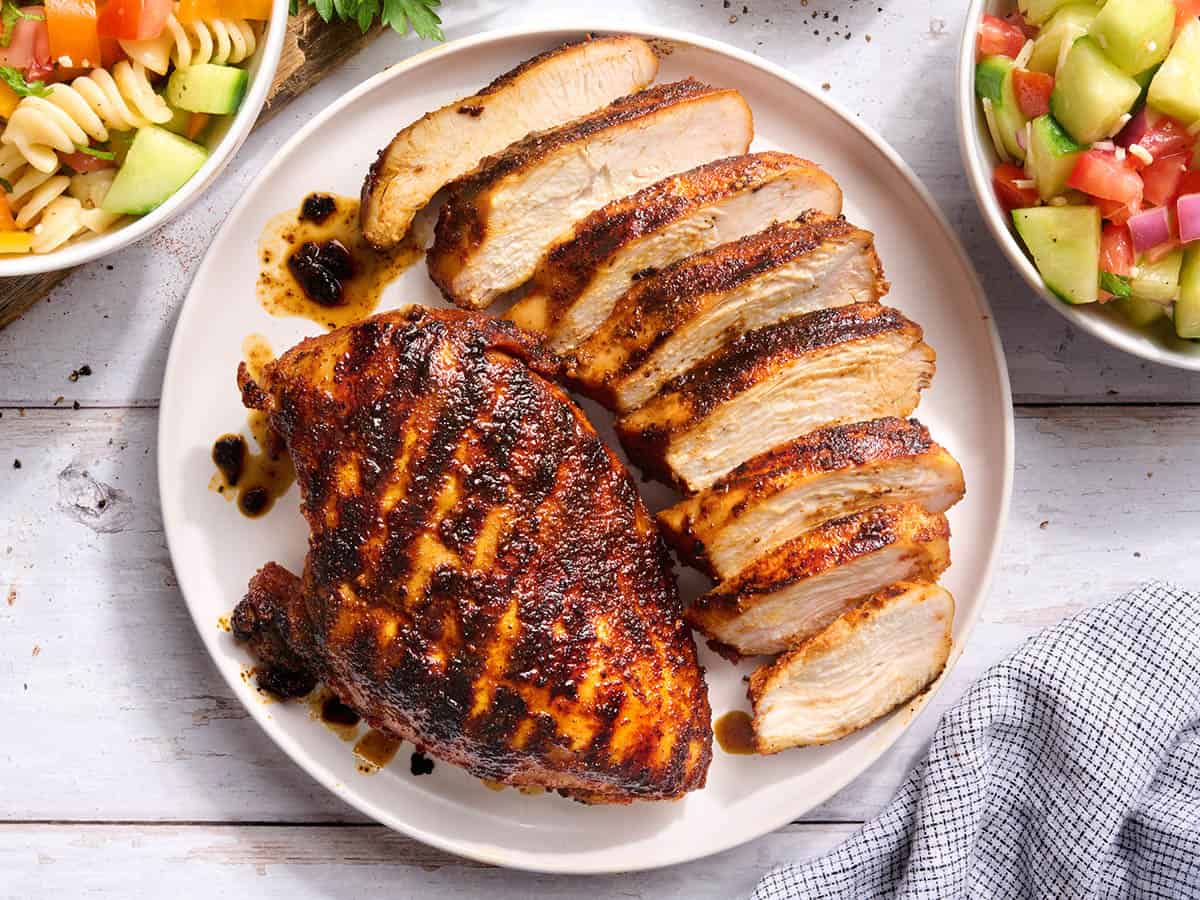
- The Benefit: One cooking session acts as a foundation for the week. Leftover slices can be easily integrated into cold pasta salads, wraps, or grain bowls, making them an essential tool for the busy home cook.
- Cost Efficiency: At approximately $1.28 per serving, this protein source offers high value without sacrificing quality.
2. Turkey Burgers: A Lighter Alternative
Beef is a classic, but ground turkey offers a lighter, more budget-conscious alternative that pairs beautifully with summer flavors. By incorporating ingredients like soy sauce, panko, and parmesan directly into the patty, you can achieve a savory, tender texture that defies the common myth that turkey burgers must be dry.
3. The Efficiency of Foil Packets
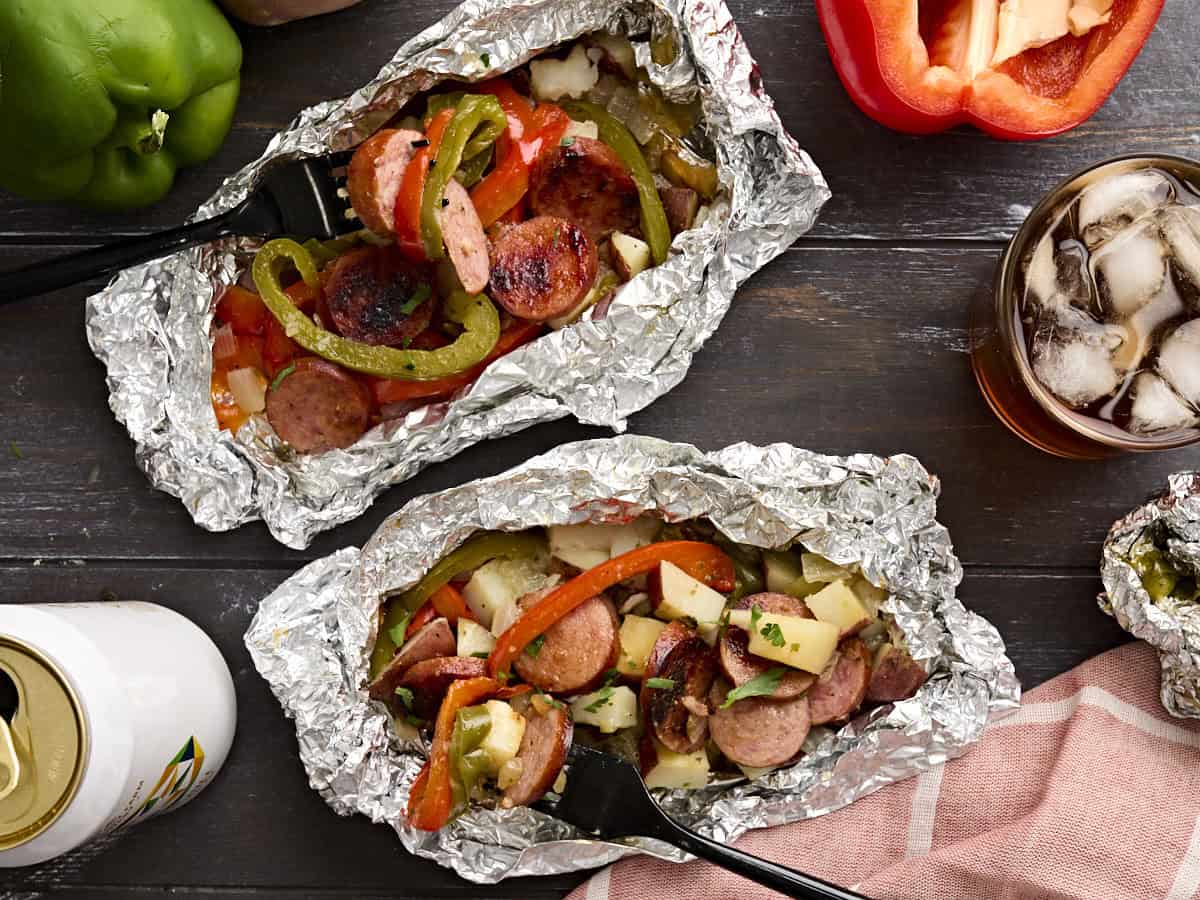
When temperatures soar, the "foil packet" method is your best defense against a hot kitchen. Pairing smoked sausage with red potatoes, bell peppers, and onions, these packets steam the ingredients in their own juices.

- Family Engagement: Because these packets are assembled individually, they offer an excellent opportunity for children to participate in the kitchen, turning meal prep into a fun, interactive activity rather than a chore.
Refreshing and Filling Summer Salads
A common misconception is that a salad cannot serve as a main course. In the heat of summer, however, a properly constructed salad provides all the necessary nutrients without the lethargy that often follows a heavy, hot meal. The key is to include diverse textures—crunch, creaminess, and acidity—to keep the palate engaged.
4. The Classic Cobb Salad
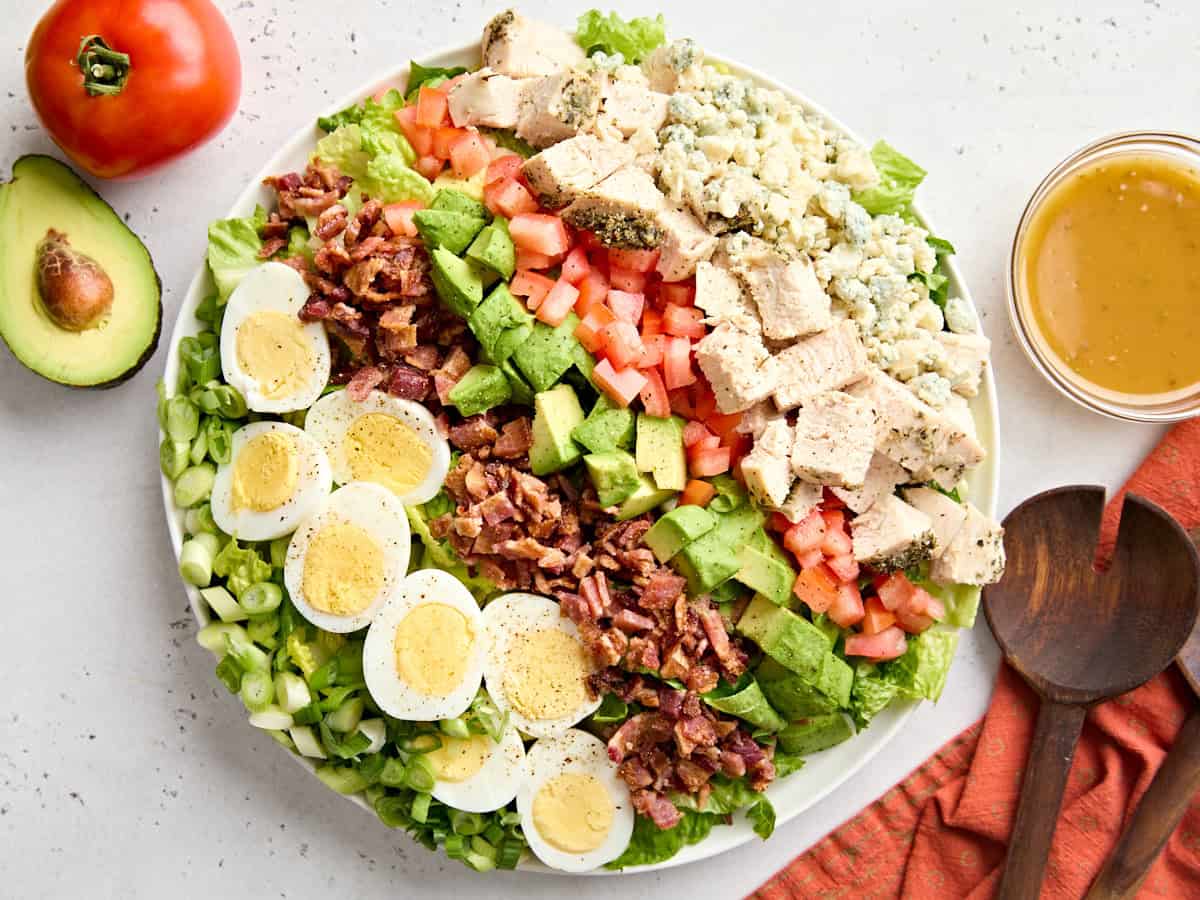
The Cobb salad is a masterclass in culinary balance. By arranging romaine, hard-boiled eggs, avocado, crispy bacon, and chicken in distinct rows, you create a visually appealing dish that allows diners to customize their portions. A homemade red wine vinaigrette ties the disparate elements together, providing a bright, acidic counterpoint to the richness of the blue cheese and avocado.
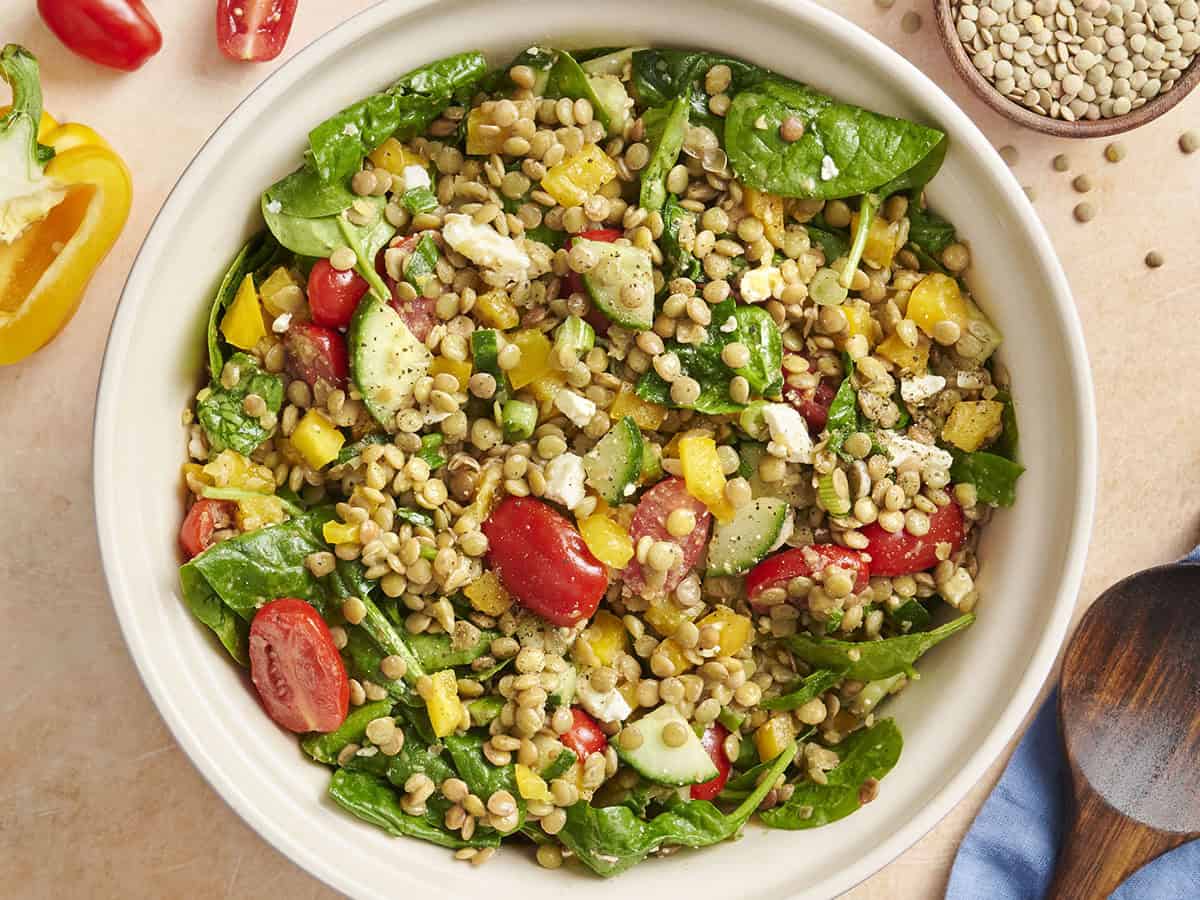
5. Summer Lentil Salad: The Plant-Based Powerhouse
For those seeking a meat-free dinner that still provides sustained energy, the lentil salad is unparalleled. Lentils are a cost-effective, high-fiber protein that holds up well when tossed with crunchy cucumbers, bell peppers, and tangy feta cheese. This dish is particularly beneficial for meal prep, as the flavors often improve after sitting in the refrigerator for a few hours.
Light Bites for Low-Appetite Evenings
There are nights when the humidity is so intense that appetite naturally wanes. During these times, smaller, lighter bites are preferable to full-course meals. These items can be served as appetizers, as a light dinner alongside a side of fresh fruit, or as part of a "snack-style" spread.
6. Tuna and Salmon Patties
Canned fish is often overlooked, yet it is a pantry hero. Tuna and salmon patties offer a crispy, golden exterior and a tender interior. By utilizing pantry staples like breadcrumbs and lemon juice, these patties can be prepared in under 30 minutes, providing a protein-packed meal that requires minimal time near a heat source.
7. Fried Green Tomatoes
A true Southern staple, fried green tomatoes represent the intersection of tradition and summer bounty. The tartness of the unripened tomato, combined with the crunch of a cornmeal-buttermilk coating, creates a texture that is difficult to replicate. While they are often considered an appetizer, serving them with a simple side salad creates a balanced, light dinner perfect for a quiet summer evening.
Chronology of Effective Meal Planning
To thrive during the summer months, consider this recommended weekly workflow:
- Sunday: Dedicate 30 minutes to "prep-ahead" items. Hard-boil eggs, mix your spice rubs, and prepare a large batch of vinaigrette.
- Monday: Utilize the grill. Cook a larger batch of chicken or sausage than you need for one meal.
- Tuesday: Repurpose. Use the leftover grilled protein in a pasta salad or cold wrap.
- Wednesday: "No-cook" night. Rely on pantry staples like tuna, beans, or pre-washed greens to assemble salads or sandwiches.
- Thursday: Assembly night. Use the foil-packet method to minimize cleanup.
- Friday: Casual dining. Enjoy lighter bites like patties or fried vegetables to ease into the weekend.
Supporting Data: The Value of Budget-Conscious Cooking
Managing a grocery budget during the summer requires a focus on seasonal produce and bulk protein management. Our data indicates that by choosing recipes like the Summer Vegetable Pasta Salad (approx. $1.02 per serving) or the classic Tuna Salad ($1.58 per serving), families can significantly reduce their weekly food expenditure compared to dining out or purchasing pre-made convenience foods. The "cost-per-serving" model demonstrates that healthy eating is not synonymous with high expense.
Official Perspectives from the Test Kitchen
Jess Rice, our lead culinary expert, emphasizes the importance of food theory in these recommendations. "The goal is to provide home cooks with the techniques to make professional-quality food at home," she notes. "By understanding how to properly brine a protein or build a salad that actually satisfies, you remove the stress from the kitchen. Our recipes are designed to be flexible; if you have a different vegetable in the fridge than what is listed, use it. The foundation is what matters."
Implications for the Home Cook
The broader implication of adopting these summer dining habits is a shift in the relationship between the cook and the kitchen. When meal prep is treated as a manageable, flexible, and cost-effective process, the kitchen ceases to be a place of labor and becomes a source of creativity.
By focusing on these 14 curated ideas, you are not just preparing food; you are optimizing your home environment to be cooler, your wallet to be fuller, and your family to be well-fed. Whether it is the simplicity of a grilled vegetable platter or the heartiness of a cobb salad, these recipes provide a roadmap for a stress-free summer, ensuring that when the temperature rises, your quality of life remains high.
For more tips on budget-friendly, seasonal cooking, stay tuned to our ongoing series from the Nashville Test Kitchen.