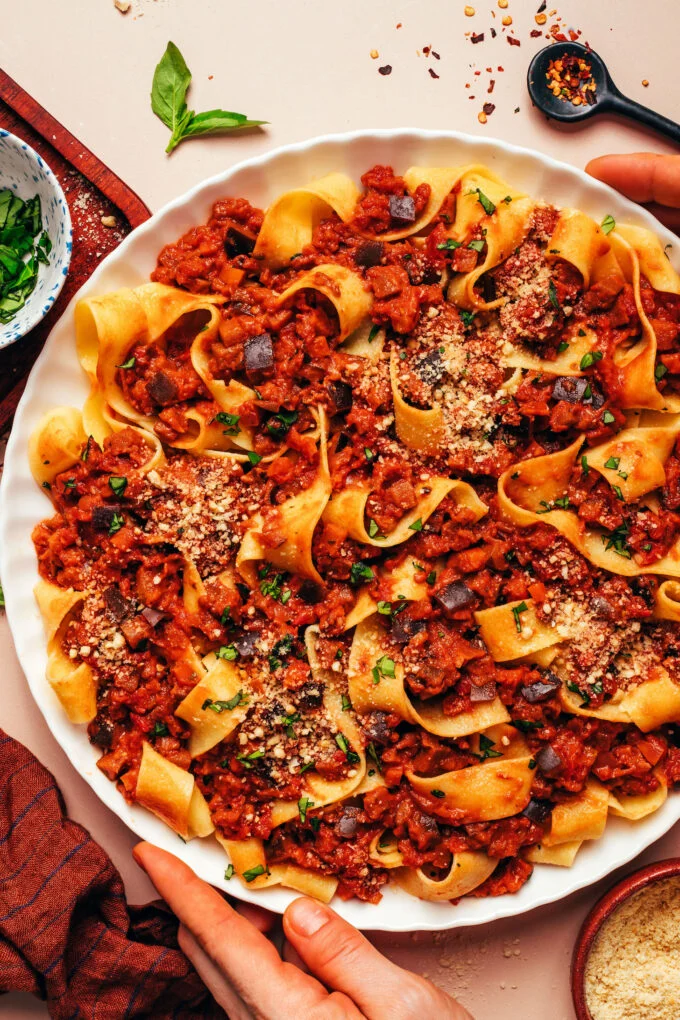
In the ever-evolving landscape of modern plant-based cooking, few dishes represent the marriage of tradition and innovation as effectively as the classic Italian bolognese. Traditionally a slow-cooked, meat-heavy ragù hailing from the culinary heart of Bologna, the dish has undergone a radical, health-conscious, and sustainable transformation. The latest iteration—a one-pot Eggplant Bolognese—is proving that home cooks no longer need to sacrifice depth, texture, or satisfaction to adhere to a plant-forward diet.
This article explores the rise of the eggplant-based ragù, analyzing why this specific vegetable has become the gold standard for home chefs looking to replicate the complexity of traditional meat sauces in a fraction of the time.
Main Facts: The Anatomy of a Modern Classic
The shift toward vegetable-forward sauces is not merely a trend but a response to shifting consumer preferences regarding health, environmental impact, and kitchen efficiency. The new "Easy Eggplant Bolognese" concept, popularized by culinary platforms like Minimalist Baker, hinges on the remarkable versatility of the eggplant (Solanum melongena).
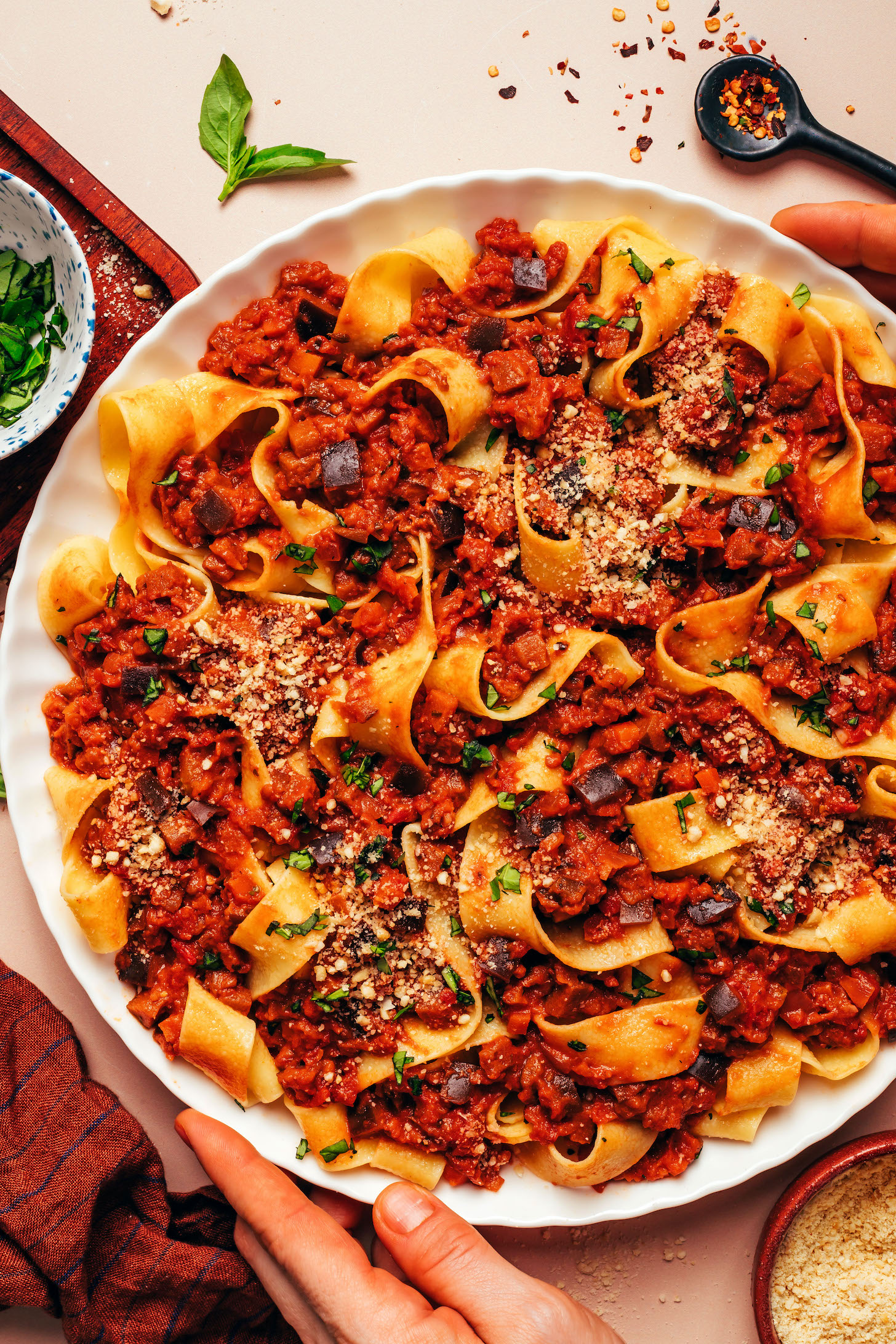
When diced finely and sautéed with a traditional soffritto—the essential trio of onion, celery, and carrot—the eggplant undergoes a Maillard reaction that results in a savory, umami-rich foundation. Unlike other meat substitutes that rely on processed soy or textured vegetable protein, the eggplant provides a natural, fibrous texture that mimics the mouthfeel of ground meat when cooked down properly.
By utilizing a one-pot method, this recipe addresses the primary barrier to home cooking: the "cleanup factor." By streamlining the process into a single vessel, the dish allows the natural sugars of the vegetables and the acidity of the tomatoes to meld into a cohesive, complex flavor profile that typically requires hours of slow simmering to achieve.
Chronology: From Regional Tradition to Global Adaptation
The history of Bolognese sauce is a storied one, dating back to the late 18th century. Originally served with tagliatelle, the classic ragù alla bolognese was characterized by its reliance on fatty cuts of beef and pork. Over the last century, it became a staple of global cuisine, often modified based on local availability of ingredients.

The Rise of Plant-Based Variations
In the early 21st century, the rise of the "flexitarian" movement prompted a re-evaluation of classic pasta sauces. Chefs began experimenting with lentils, mushrooms, and tempeh to replicate the "heft" of the original dish.
- 2010–2015: The "Lentil Era." Lentils emerged as the primary contender for meatless sauces due to their protein content and structural integrity.
- 2016–2020: The "Mushroom Revolution." Culinary focus shifted toward umami-dense ingredients, with shiitake and portobello mushrooms becoming the standard for savory depth.
- 2021–Present: The "Eggplant Era." The current shift toward eggplant represents a return to seasonal, whole-food ingredients. The adoption of eggplant reflects a move away from hyper-processed meat alternatives toward vegetables that possess inherent textural qualities.
Supporting Data: Why Eggplant Stands Out
From a nutritional and chemical standpoint, eggplant is an ideal candidate for this application. According to culinary data, eggplant contains high levels of phenolic compounds, which contribute to its savory flavor profile when caramelized.
Texture and Absorption
One of the key advantages of using eggplant is its high porosity. During the cooking process, the eggplant acts as a sponge, absorbing the red wine, garlic, and tomato base. This ensures that every bite is infused with the sauce, rather than the "meat" and the sauce existing as two separate entities—a common pitfall of amateur plant-based ragùs.
Nutritional Profile
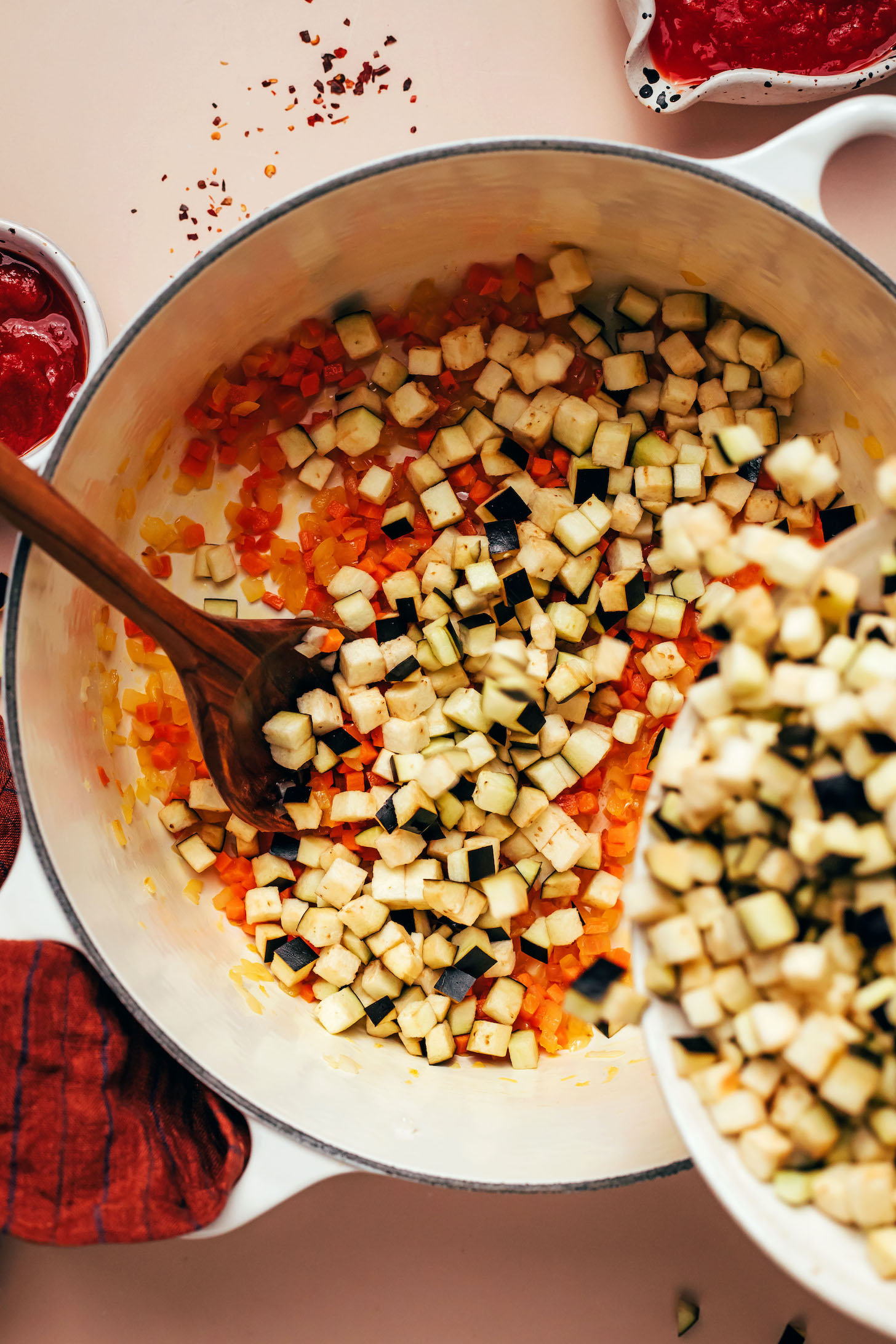
A single serving of this plant-based bolognese provides a significant amount of dietary fiber and essential minerals, including manganese and vitamin B6, while maintaining a calorie count significantly lower than its meat-based counterpart. The integration of cashew milk or other nut-based creams further elevates the dish, providing a mouthfeel that mimics the dairy-based richness of traditional Bolognese without the cholesterol.
Official Responses and Culinary Expert Commentary
Professional chefs and nutritionists have largely lauded the move toward vegetable-based ragùs. Dr. Elena Rossi, a nutritionist specializing in Mediterranean diets, notes: "The beauty of the eggplant bolognese lies in its ability to satisfy the palate’s desire for richness while providing the gut with high-fiber, antioxidant-rich fuel. It is the perfect marriage of modern health science and ancient culinary techniques."
Furthermore, culinary critics suggest that this shift is part of a larger trend of "reclaiming the vegetable." No longer relegated to the side of the plate, vegetables are being treated with the same respect and technical rigor as proteins. By treating eggplant with the same care one would apply to a brisket or pork shoulder—browning it, deglazing the pan, and slow-simmering—cooks are elevating humble ingredients into center-stage attractions.

Implications for the Future of Home Cooking
The success of the one-pot Eggplant Bolognese carries several implications for the future of domestic food preparation:
1. The Democratization of Complex Flavors
The "one-pot" methodology removes the intimidation factor often associated with classic European cuisine. By simplifying the process, more households are likely to attempt "slow-food" style meals on weeknights.
2. Economic and Environmental Sustainability
Eggplant is a highly sustainable, low-water-impact crop that is accessible in nearly every grocery market. As food prices fluctuate, relying on seasonal vegetables rather than premium meat cuts offers a significant economic advantage to families, without compromising on the quality of the dining experience.
3. The "Vegetable Skeptic" Conversion
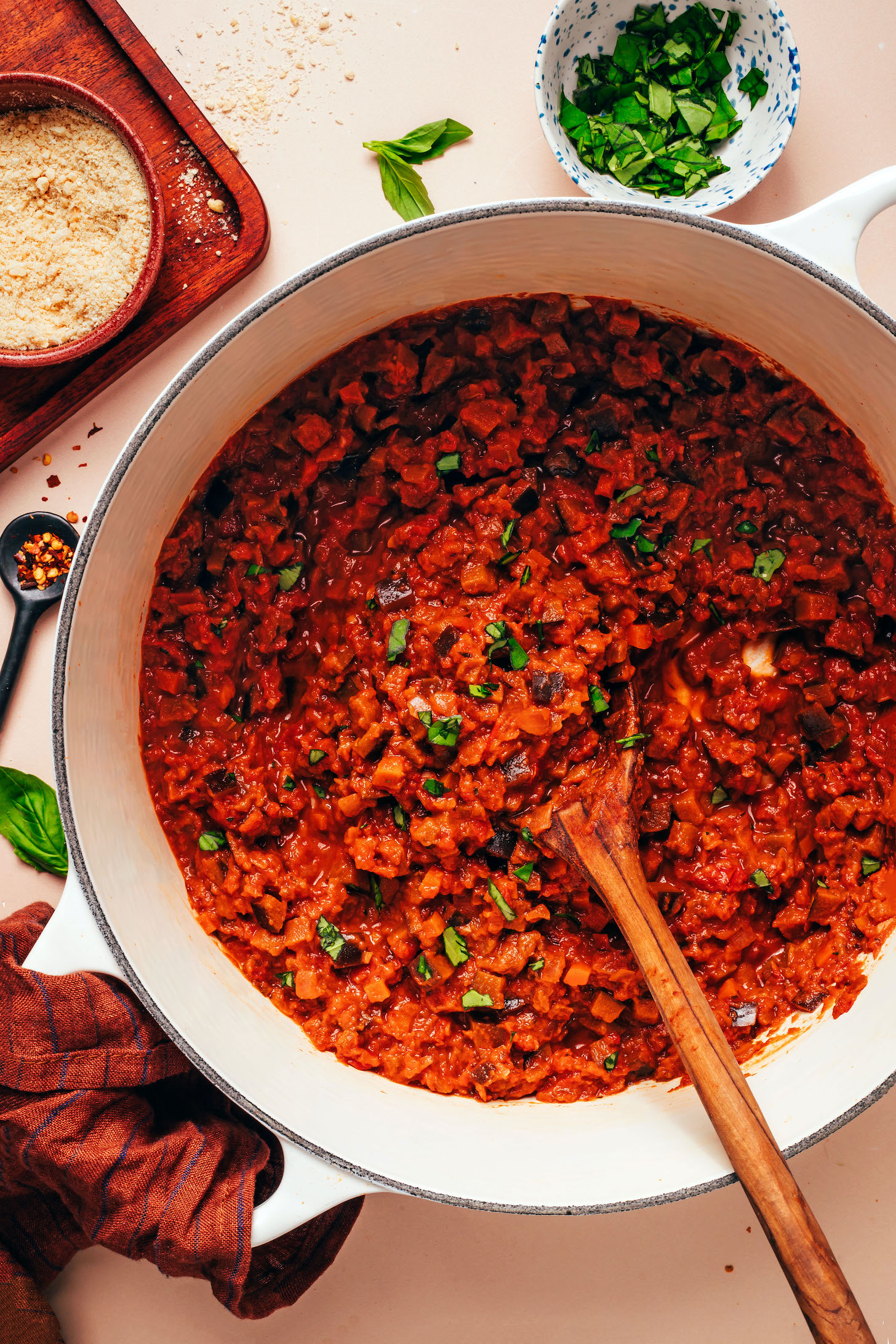
Perhaps the most significant implication is the dish’s ability to win over those who are skeptical of plant-based meals. Because the sauce relies on traditional Italian flavor markers—garlic, wine, herbs, and slow-cooked tomatoes—it provides a familiar comfort-food experience. The eggplant provides enough "heft" to satisfy the appetite, effectively bridging the gap between a light vegetable dish and a hearty, traditional meal.
A Final Word on Preparation
To achieve the best results, home cooks are encouraged to focus on the "browning" phase. As noted in the instructions, the eggplant must be diced into small, uniform pieces. This uniformity ensures even cooking. When added to the hot oil after the soffritto base, the eggplant should not be crowded, allowing it to brown rather than steam. This step is the "secret" to the deep, meaty flavor that makes the dish a success.
As we move toward a future where our dinner plates look more diverse, the Eggplant Bolognese stands as a testament to the fact that we do not need to abandon our culinary traditions to improve them. Whether you are a dedicated vegan, a curious flexitarian, or simply someone looking for a comforting, easy-to-prepare meal for a busy Tuesday, this dish offers a path forward that is as delicious as it is sustainable.
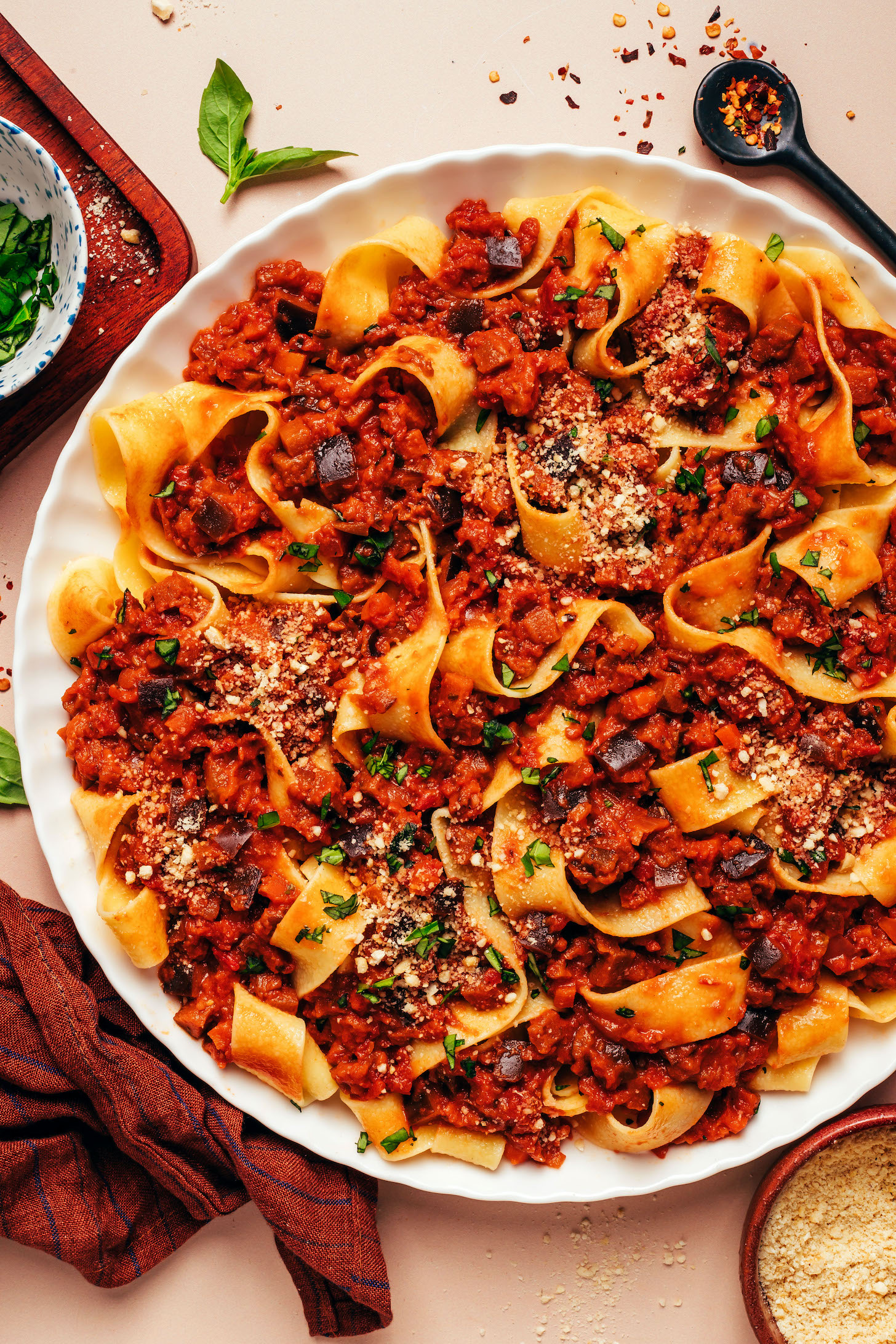
By embracing this one-pot method, the home kitchen becomes a place of both efficiency and culinary discovery. The next time you find yourself with an extra eggplant and a craving for something truly comforting, consider this: the best bolognese might just be the one that doesn’t require a trip to the butcher, but rather a turn toward the garden.